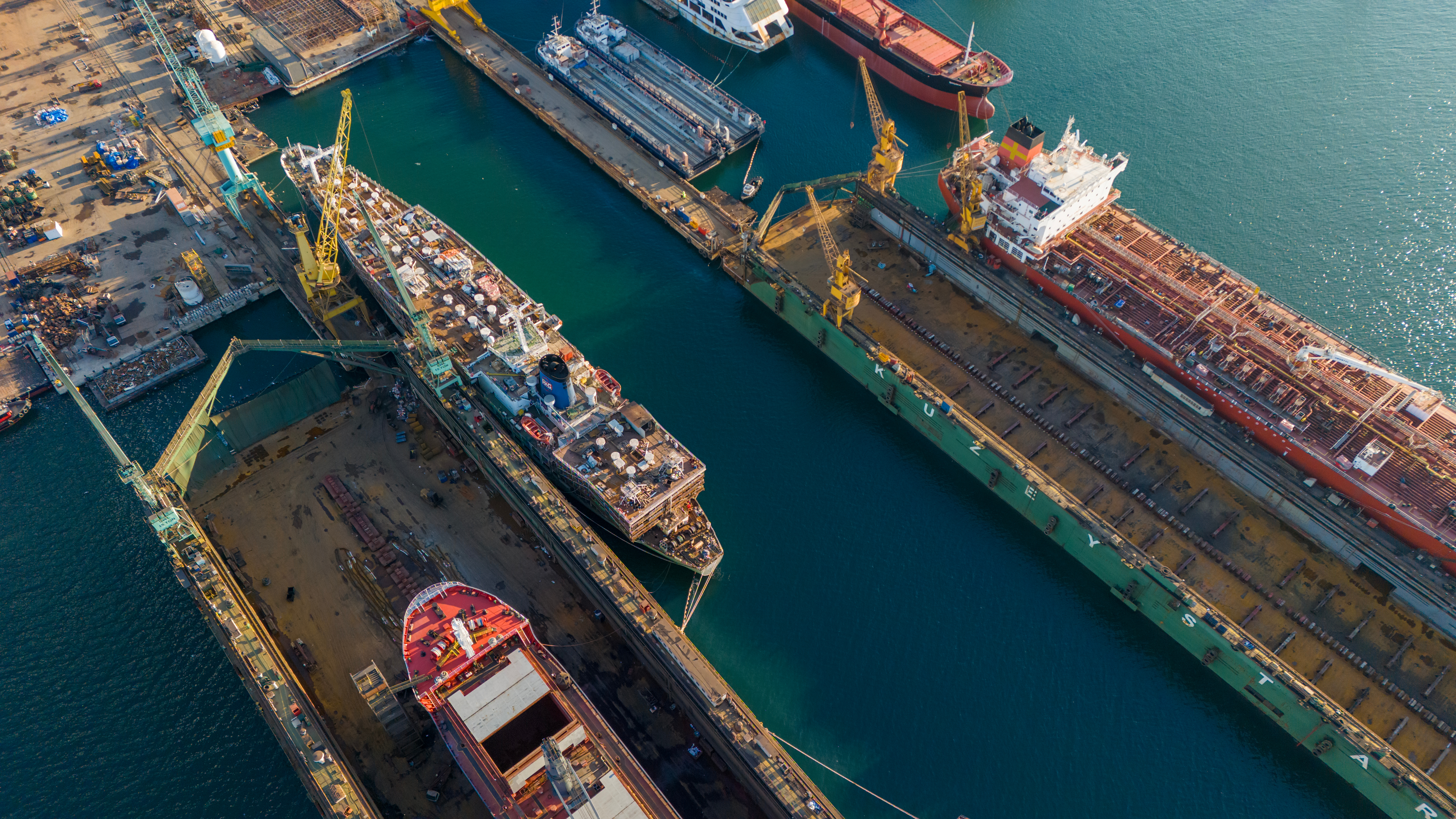
European shipyards operate in one of the most technically advanced and contract driven shipbuilding environments in the world.
Projects increasingly involve specialist vessels, complex conversions, naval and offshore energy work, and cross border contractual structures. At the same time, shipyards must navigate regulatory pressure, sanctions regimes, and heightened scrutiny from counterparties and stakeholders.
Yet many insurance programmes remain structured around historic yard activity rather than the risk profile created by today’s contracts and projects.
This disconnect is increasingly where uninsured loss, dispute, and balance sheet volatility arise.
Across Europe, shipyard risk has increased in both complexity and intensity.
Projects are now more likely to involve high specification newbuilds, technically demanding conversions, and participation in naval or dual use programmes. At the same time, cross border supply chains and layered subcontracting structures introduce multiple points of interface risk.
Contracts have also become more onerous. Provisions such as liquidated damages, performance obligations, refund guarantees, and expanded indemnities are now standard. In a highly competitive market, shipyards are often required to accept greater contractual exposure in order to secure work.
The result is a shift towards contract driven financial risk, rather than purely operational exposure.
Regulatory and sanctions complexity European shipyards operate within an increasingly complex regulatory environment, including sanctions regimes, export controls, and dual use restrictions. These are often accompanied by growing ESG and compliance expectations.
Insurance policies may include sanctions clauses or limitations that directly affect coverage. Without careful alignment between trading profile and policy wording, there is a risk that claims response may be restricted or challenged.
Naval, defence, and government backed projects play a central role across many European yards. These programmes introduce structured contractual frameworks, strict insurance requirements, and long tail liability exposure that can extend well beyond delivery.
Standard shipyard insurance programmes do not always respond cleanly to these obligations without bespoke structuring and alignment to contract terms.
European shipyards are at the forefront of offshore energy and the energy transition, alongside the construction and conversion of highly specialised vessels.
These projects typically involve long build periods, multiple contractual interfaces, and significant sensitivity to delay and performance. While technically advanced, they also introduce disproportionate financial exposure relative to their frequency.



The most material uninsured losses rarely arise from major incidents.
Instead, they tend to emerge from contractual and commercial pressures, particularly where liabilities are not fully transferred into insurance. Delay and performance disputes, interface claims, and aggregation of exposure across concurrent projects are common drivers.
A further complexity in Europe is the assumption that insurance will respond consistently across jurisdictions. In practice, differences in legal regimes and policy interpretation can create unexpected gaps.
These exposures often only become visible once projects are underway.
Many European programmes have evolved incrementally over time, shaped by renewal cycles, standard market wordings, and local regulatory requirements.
However, as projects have become more international and contract driven, these structures are often no longer sufficient.
Where programmes are not reviewed against contract terms, or tested across jurisdictions, there is a growing risk that material exposure sits with the shipyard unintentionally, particularly where decisions are driven primarily by premium considerations.
Save your copy of the report.

We work with European shipyards through a contract aware, internationally aligned approach. This includes reviewing contractual exposures in detail, structuring builders risk and conversion placements, and developing liability and excess programmes that reflect real project risk. We also support with guarantees, credit and non payment solutions, and programme benchmarking across jurisdictions.
Our objective is simple: to ensure risk is transferred intentionally, not by assumption.
European shipyards are increasingly competing not just on capability, but on their willingness to accept risk. The question is not whether that risk exists, but where it ultimately sits:
That outcome should be deliberate, informed, and aligned with the realities of modern European shipbuilding.
For a broader perspective on how these trends are reshaping shipyards globally, and how leading operators are responding, see our global briefing: Why Shipyard Insurance Programmes Are Changing
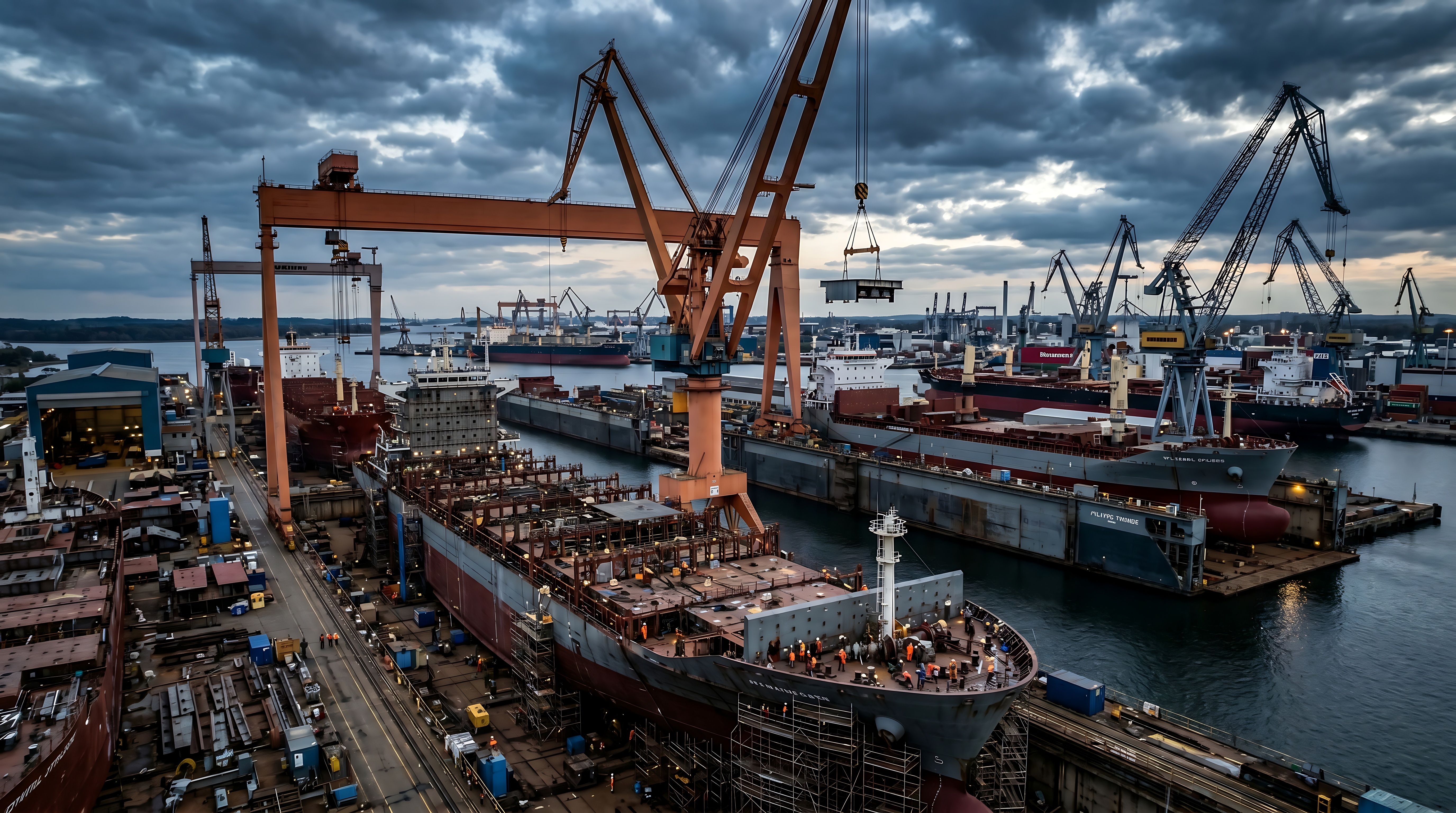
US shipyards are benefiting from unprecedented investment in naval, offshore energy and Jones Act projects. Discover why evolving project risks are challenging traditional insurance programmes and exposing shipyards to new financial and contractual liabilities.
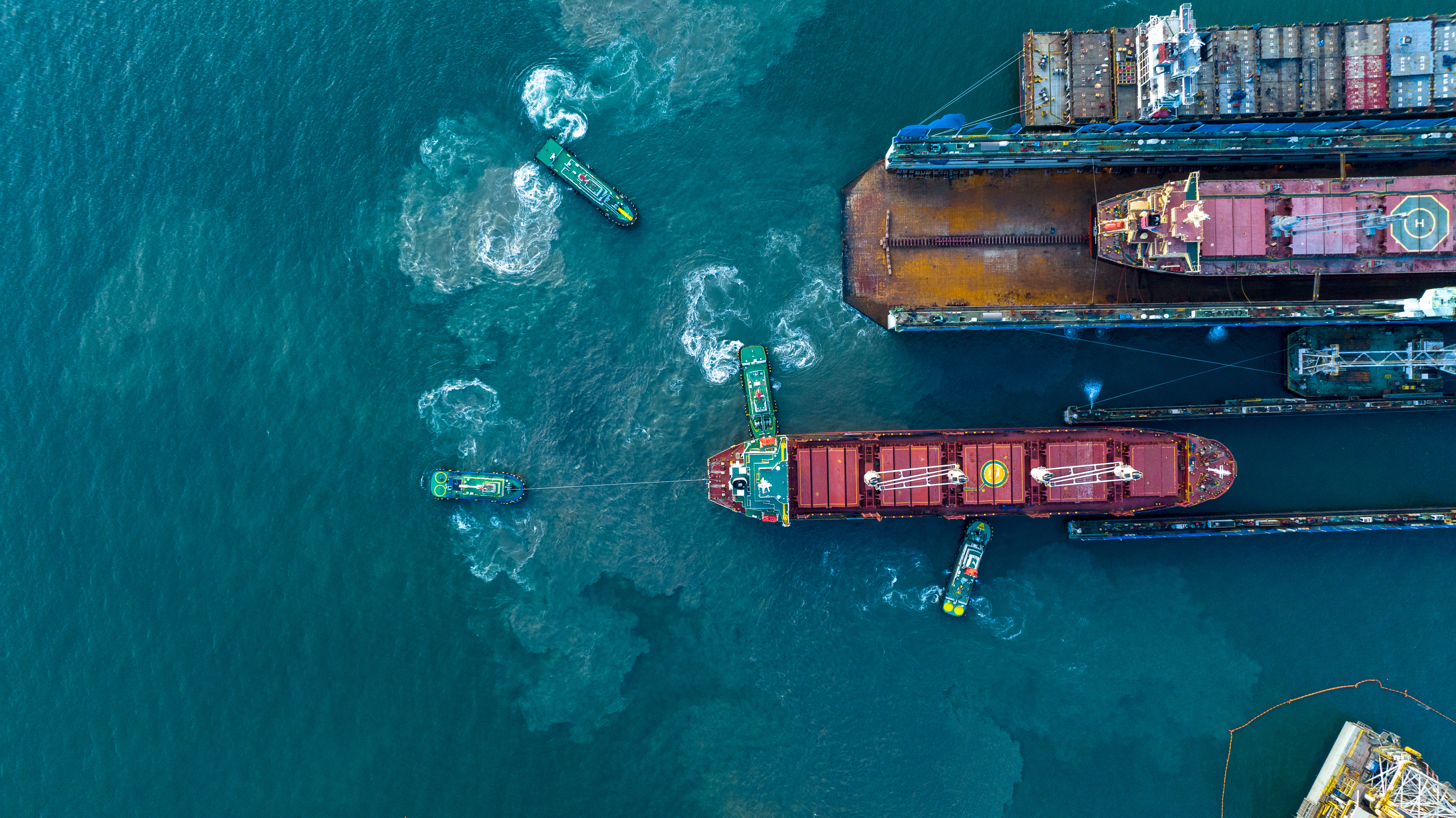
With over 95% of global shipbuilding concentrated in Asia, a single event can impact multiple vessels, contracts and stakeholders. Explore why aggregation risk is becoming one of the region's most significant insurance challenges.
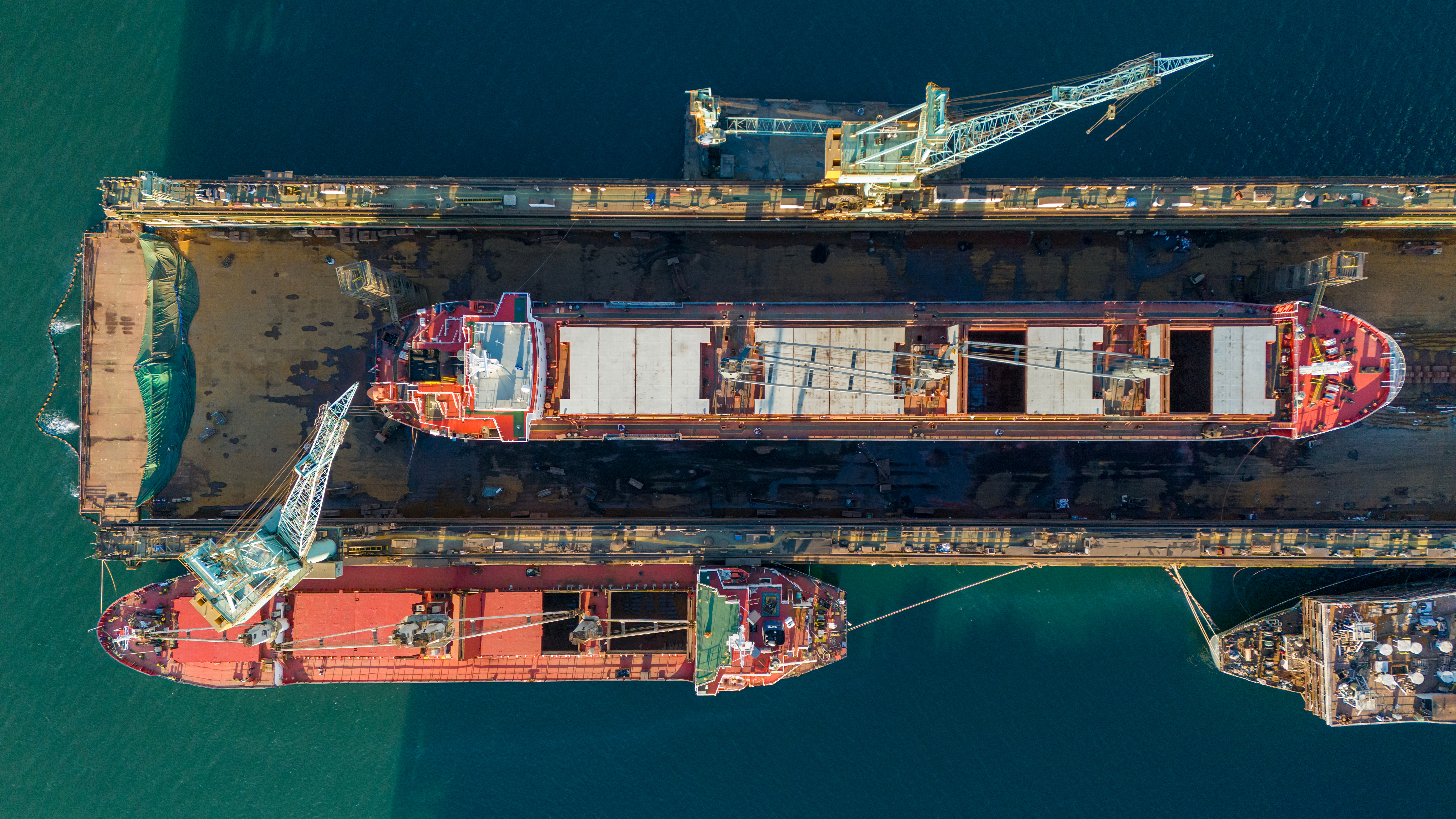
Turkish shipyards face increasing exposure from export contracts, guarantees and offshore projects. Explore how modern shipyard insurance can address emerging risks.
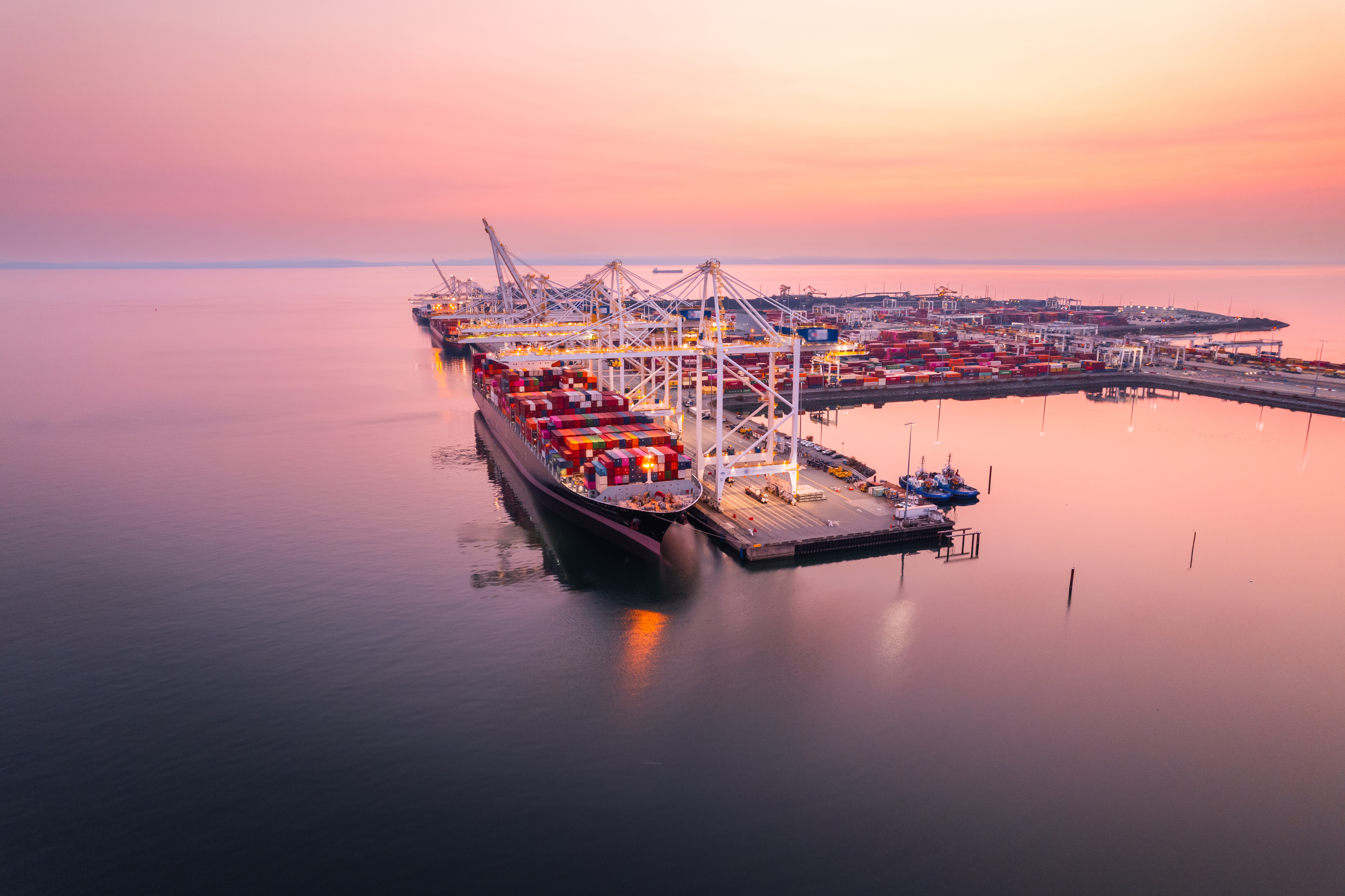
Canadian shipyards face growing exposure from long-term government contracts, Arctic operating conditions and increasingly complex project obligations. Discover why insurers and shipyards are rethinking risk transfer strategies to address emerging contractual and climate-related challenges.
Our experts publish insightful thought leadership, market updates, and industry news publications to keep you informed and ahead of the curve. Subscribe to receive the latest updates straight to your inbox.