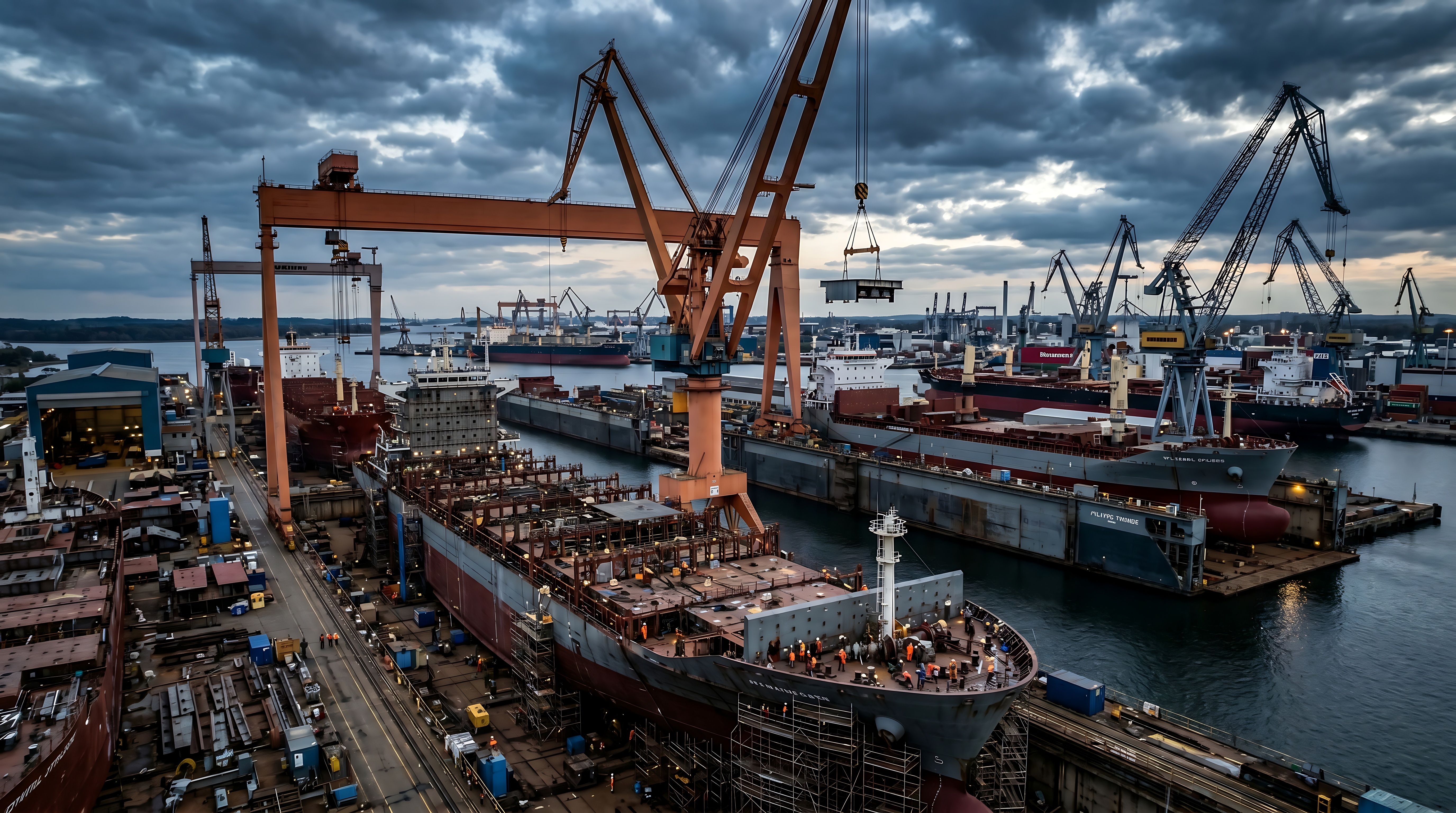
US shipyards are expanding at a pace not seen in decades - but the risk they are taking on is changing faster than insurance structures can respond.
This growth is being driven by a combination of defence demand, industrial policy, and the expansion of Jones Act and offshore energy fleets. The scale of investment is significant. The FY2026 defence budget alone includes over $27 billion allocated to naval shipbuilding, alongside additional funding to expand the maritime industrial base.
At the same time, forward-looking programmes are even more ambitious, with proposals exceeding $65 billion for shipbuilding in future budget cycles, representing one of the largest sustained investment pushes in decades.
The result is a structural shift: US shipyards are not simply doing more work, they are taking on larger, more complex, and more contract-driven projects.
Yet many insurance programmes remain structured for a previous operating model. This disconnect is now a primary source of uninsured liabilities, contractual disputes, and balance sheet volatility.
This briefing outlines why US shipyard risk has changed, where losses most commonly arise, and how insurance programmes are evolving to keep pace with modern shipbuilding realities.
US policy is actively driving shipyard expansion, modernisation, and workforce growth, with funding directed not only at vessel construction but also at infrastructure and supply chains.
While this growth is positive, it introduces new contract forms, unfamiliar counterparties, and higher levels of project concurrency. Delivery expectations are also tightening.
Insurance programmes often lag behind these shifts, creating gaps between what contracts require and what policies will actually respond to.
Government and defence projects bring a distinct set of challenges. Contractual frameworks are typically rigid, with strict insurance and indemnity provisions, elevated retentions, and limited flexibility around liability allocation.
These environments also involve greater claims scrutiny, meaning policy response must be robust and clearly aligned from the outset. Standard liability structures do not always respond cleanly without careful structuring.
The expansion of offshore wind and domestic shipping is introducing a new class of vessel demand and shipyard exposure.
Offshore wind alone has driven the development or ordering of around 50 new specialist vessels at US shipyards, with activity spread across multiple states.
Jones Act requirements continue to reinforce the need for US-built vessels, driving further capital investment and fleet renewal.
These projects are characterised by longer construction periods, milestone based payments, and the involvement of lenders, utilities, and public stakeholders. While relatively few in number, they carry disproportionate financial exposure, making precision in risk transfer critical.



The most material uninsured losses are rarely caused by major incidents.
Instead, they tend to arise from contractual and commercial pressures, including liabilities that sit outside policy scope, delay and performance disputes, and interface issues between owners, subcontractors, and shipyards.
Exposure can also build quietly across multiple concurrent projects, particularly where assumptions are made about how insurance will respond. These issues often only become visible mid project or after a loss, when options are limited.
Many US shipyard programmes were originally designed for more predictable operating models, steady repair work, lower asset values, and simpler contracts.
Today’s environment is very different.
Where programmes are not aligned to contract terms - or are driven primarily by premium efficiency - material exposure increasingly remains on the balance sheet.
Leading shipyards are taking a more deliberate and structured approach.
Insurance is increasingly aligned with contract terms, rather than treated in isolation. Project specific solutions are used alongside annual programmes, and policies are stress tested against realistic claim scenarios before losses occur.
There is also a clearer focus on separating catastrophic exposure from operational volatility, supported by brokers with deep shipyard and construction expertise.
The shift is from placement to intentional, defensible risk transfer.
A more effective insurance strategy starts with the contract. Understanding where obligations exceed policy response and addressing those gaps early, is critical. This is typically supported by project specific placements for defined risks, rather than forcing all exposures into a single annual programme. Equally important is ensuring that low frequency, high impact losses are not retained unintentionally, and that the right specialist markets are accessed.
Save your copy of the report.

We work with US shipyards through a consultative, risk led approach, focused on aligning contracts, insurance, and commercial outcomes.
This includes reviewing contractual exposures in detail, structuring builders risk and major project placements, and developing liability and excess programmes that reflect real project risk. We also support clients with credit risk solutions, benchmarking, and stress testing, alongside access to specialist US and international marine insurers.
Our objective is simple: to ensure risk is transferred intentionally - not by assumption.
In a market defined by government-driven growth and contractual intensity, the question is no longer whether risk exists - but whether it is being deliberately transferred, or retained unintentionally.
That decision should be deliberate, informed, and aligned with the realities of modern US shipbuilding.
For a broader view of how these trends are reshaping shipyards globally and how leading operators are responding, see our global briefing, Why Insurance Programmes are Changing.
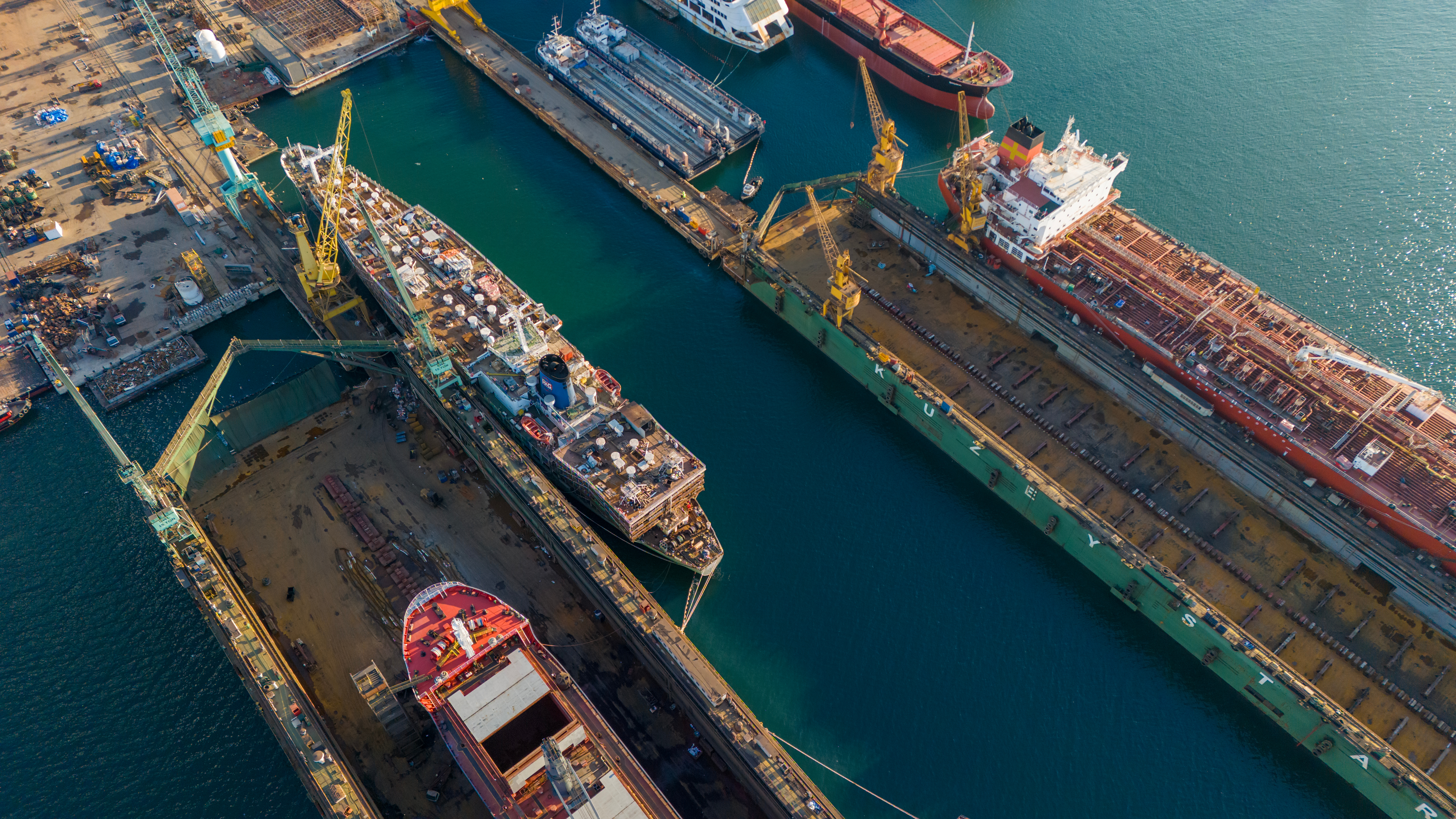
European shipyards face growing contractual, regulatory and project risks that historic insurance structures often fail to address. Discover how modern, contract-aligned insurance programmes can help protect against uninsured exposure and balance sheet volatility.
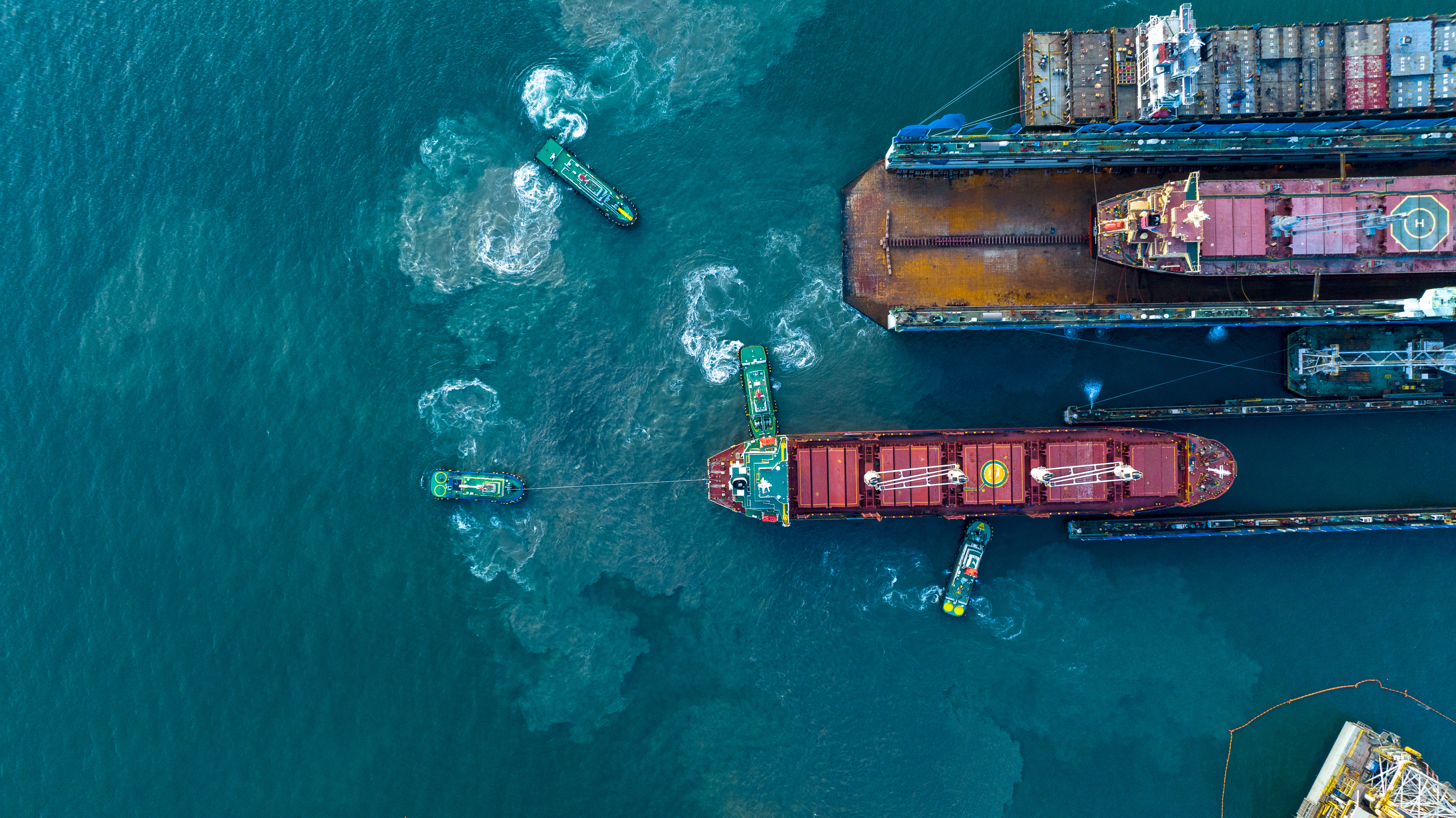
With over 95% of global shipbuilding concentrated in Asia, a single event can impact multiple vessels, contracts and stakeholders. Explore why aggregation risk is becoming one of the region's most significant insurance challenges.
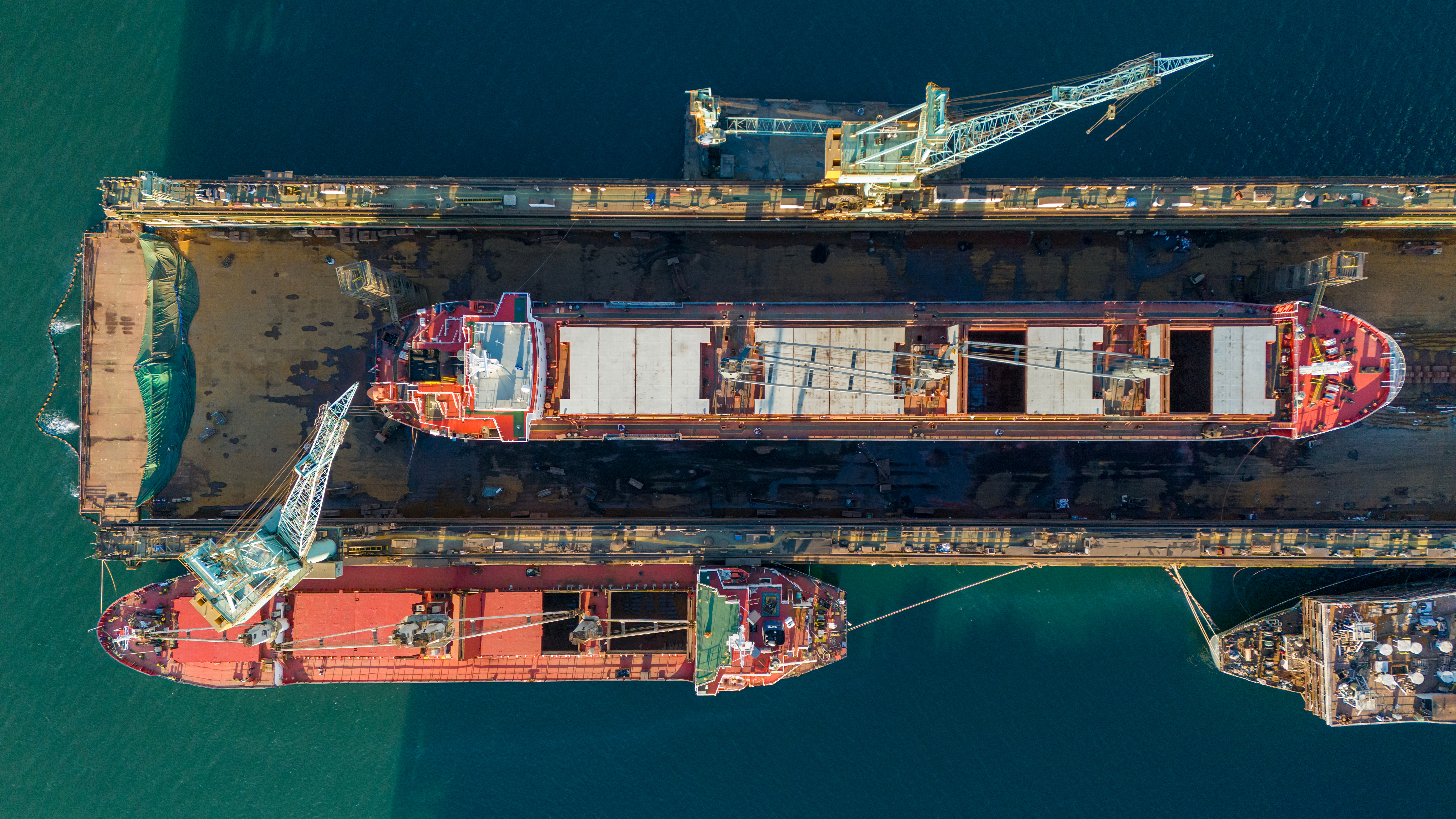
Turkish shipyards face increasing exposure from export contracts, guarantees and offshore projects. Explore how modern shipyard insurance can address emerging risks.
Canadian shipyards face growing exposure from long-term government contracts, Arctic operating conditions and increasingly complex project obligations. Discover why insurers and shipyards are rethinking risk transfer strategies to address emerging contractual and climate-related challenges.
Our experts publish insightful thought leadership, market updates, and industry news publications to keep you informed and ahead of the curve. Subscribe to receive the latest updates straight to your inbox.