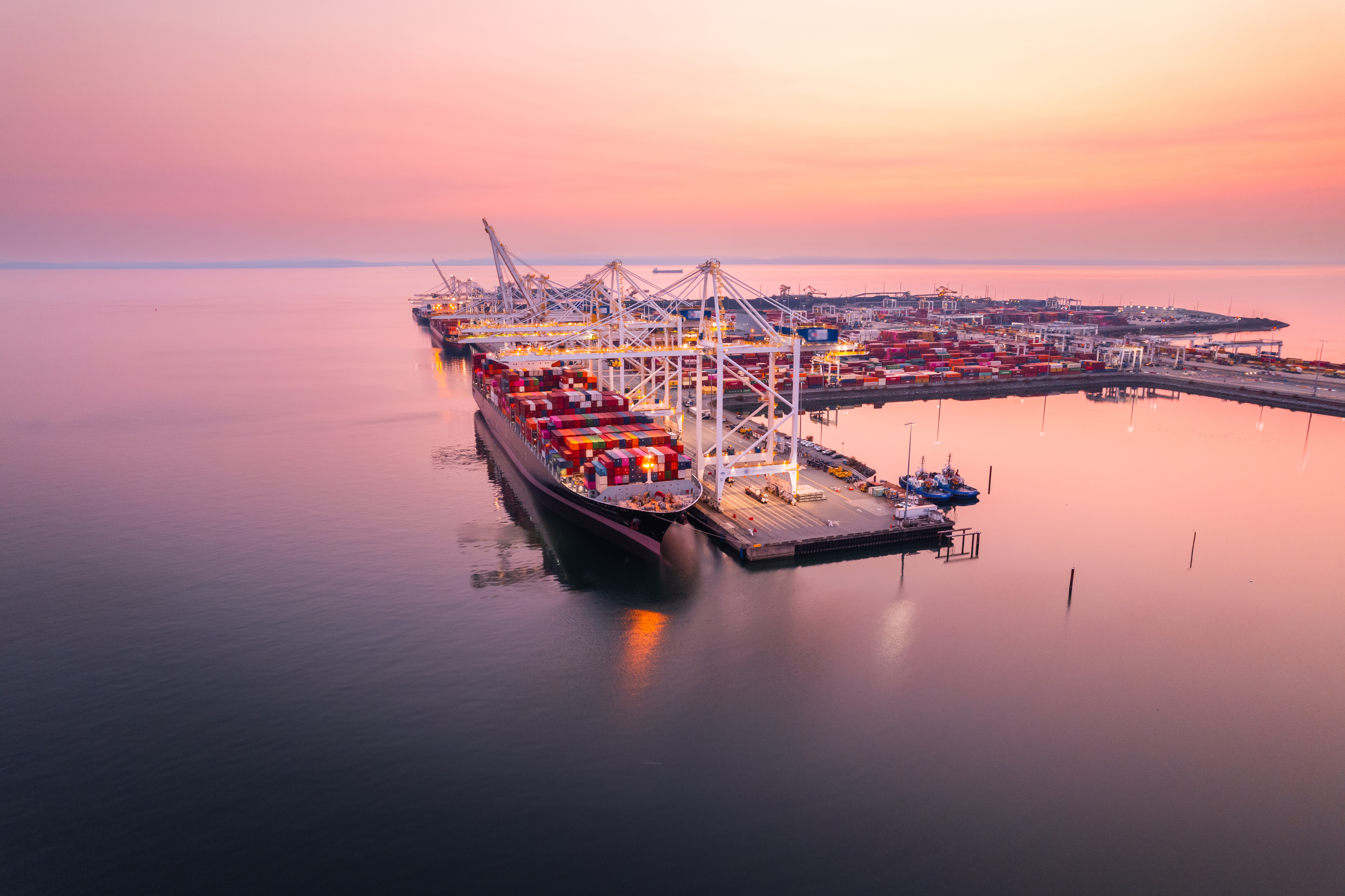
Canadian shipyards operate in a highly specialised and strategically important environment, supporting naval and coast guard programmes, complex refit activity, offshore energy, and operations across Arctic, Great Lakes, and coastal regions.
While activity levels may appear stable, the underlying risk profile has changed materially. Contracts are more demanding, projects are longer tailed, and stakeholders, particularly government bodies and international partners, require greater certainty around delivery, performance, and compliance.
Yet many insurance programmes remain structured around traditional yard activity rather than the full contractual and operational exposure now faced. This disconnect is increasingly where uninsured loss, dispute, and balance sheet volatility arise.
Across Canada, shipyard risk has shifted meaningfully in both scale and complexity.
Yards are now more deeply involved in government and defence programmes, while simultaneously managing long duration refits and life extension projects. These activities are often delivered under complex procurement structures that introduce liquidated damages, performance obligations, milestone payments, and extended post delivery responsibilities.
At the same time, operations in Arctic and extreme weather environments further increase exposure.
As a result, risk is no longer driven primarily by physical incidents. Instead, it is increasingly contract led, with financial outcomes shaped by how effectively obligations are transferred into insurance.
Government and defence work sits at the core of the Canadian shipyard sector. These programmes bring highly structured contractual frameworks, limited flexibility on liability allocation, and a level of scrutiny that extends well beyond project completion.
Insurance requirements are typically stringent and long tailed, meaning standard yard policies may not respond as expected without careful alignment to contract terms.
Operating conditions across Canada introduce a distinct layer of complexity. Extreme cold, freeze thaw cycles, and ice related risks can materially impact both physical assets and delivery schedules.
In more remote or logistically constrained locations, even minor disruptions can escalate into delays or aggregation issues across multiple projects.
These factors don’t just affect physical loss - they directly influence contractual performance, delay exposure, and aggregation risk across multiple projects.
Canadian shipyards regularly engage with US clients, international suppliers, and global insurers, often under contracts governed by US or English law.
Without a coordinated approach, this can create gaps between contractual obligations and insurance response, particularly where liability frameworks and coverage expectations differ across jurisdictions.



The most significant financial losses do not usually arise from major incidents. Instead, they tend to emerge from less visible but more complex issues.
Contractual liabilities that fall outside policy scope, delays or performance disputes, and extended warranty obligations are among the most common drivers. Interface issues between yards, subcontractors, and government bodies also create recurring exposure.
These challenges are often compounded by assumptions that insurance will respond in ways it ultimately does not, with gaps typically only becoming visible once a project is underway.
Many Canadian shipyard programmes were developed around more predictable operating models, focused on annual activity, physical damage protection, and standard liability exposures.
Today’s environment is fundamentally different. Projects are larger, more complex, and subject to longer timelines and stricter contractual oversight.
Where programmes are reviewed only at renewal, or not assessed against individual contracts, there is a growing risk that material exposure remains on the balance sheet unintentionally.
Leading shipyards are taking a more structured and proactive approach to risk.
Insurance is increasingly reviewed alongside contract negotiation, rather than after award. Project specific solutions are being deployed for major builds and refits, and greater emphasis is placed on testing how policies respond under realistic claim scenarios.
There is also a clearer distinction being made between catastrophic risk and day to day operational volatility. This shift reflects a move away from transactional purchasing towards deliberate, contract aligned risk transfer.
A more effective insurance model starts with understanding the contract and ensuring coverage responds accordingly.
This often involves using project specific solutions for defined exposures, rather than relying solely on annual programmes. It also requires explicit consideration of climate driven risk and the accumulation of exposure across multiple concurrent projects.
Equally important is access to the right markets. Blending Canadian, London, and international insurers allows for more flexible and tailored solutions, particularly for government linked and complex construction risk.
Save your copy of the report.

Our role is to help shipyards bring together contracts, insurance, and commercial strategy in a coherent way.
This includes reviewing contractual exposures in detail, structuring builders risk and refit placements, and developing liability and excess programmes that reflect real project risk. We also support clients with delay, performance, and delivery related exposures, alongside programme benchmarking and stress testing.
Where relevant, we incorporate aggregation and climate exposure analysis, and provide access to specialist insurers across Canadian, European, and global markets.
Our objective is clear: to ensure long-tail and contractual risk is deliberately structured and transferred - not discovered after it materialises.
The pressures facing Canadian shipyards reflect a broader global trend. Across all major markets, contract complexity, stakeholder scrutiny, and project scale are increasing at pace.
If gaps are emerging in Canada, similar issues are likely developing across international operations and partnerships.
For a broader perspective on the trends reshaping shipyards globally, see our briefing, Why Insurance Programmes are Changing.
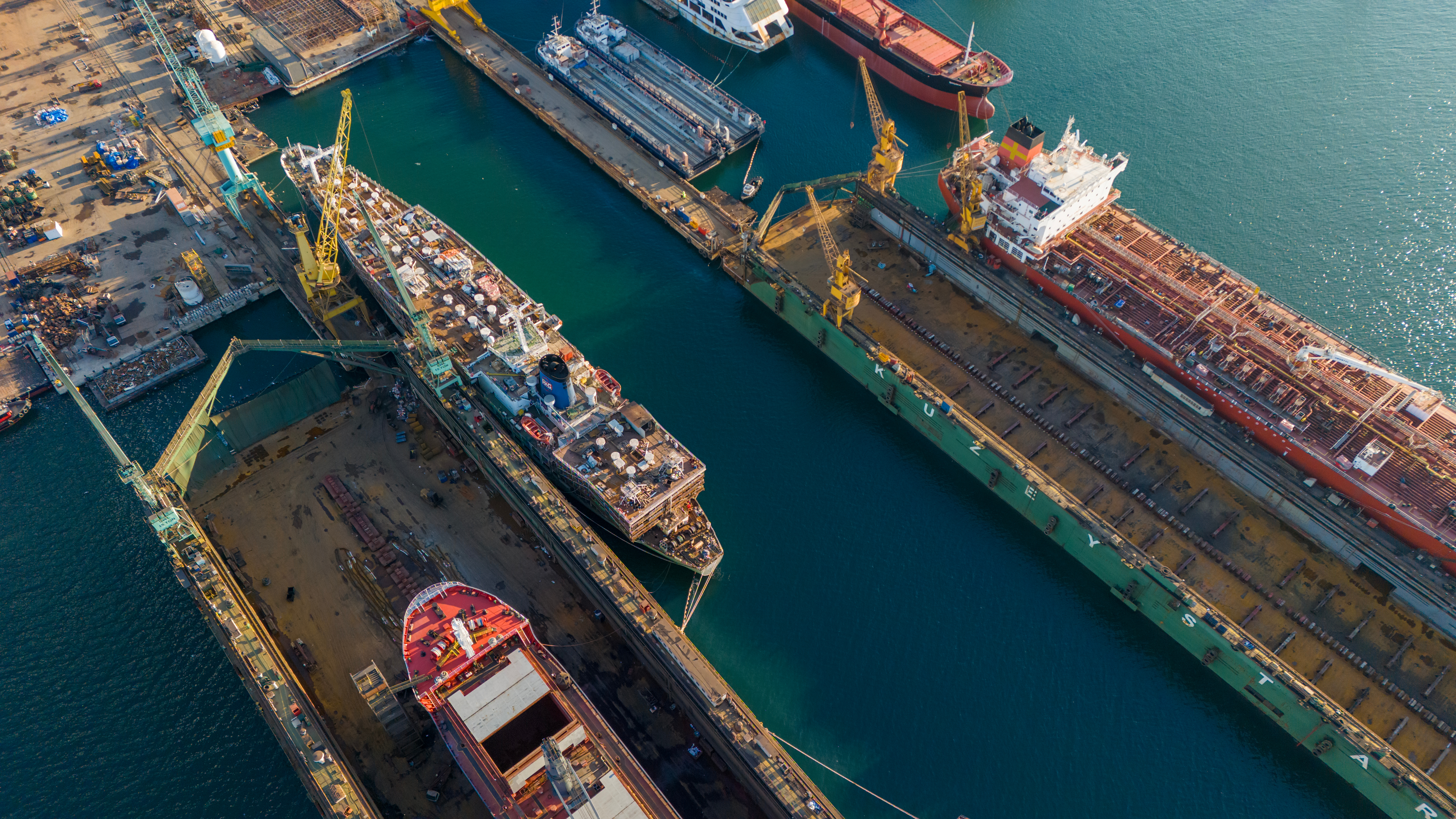
European shipyards face growing contractual, regulatory and project risks that historic insurance structures often fail to address. Discover how modern, contract-aligned insurance programmes can help protect against uninsured exposure and balance sheet volatility.
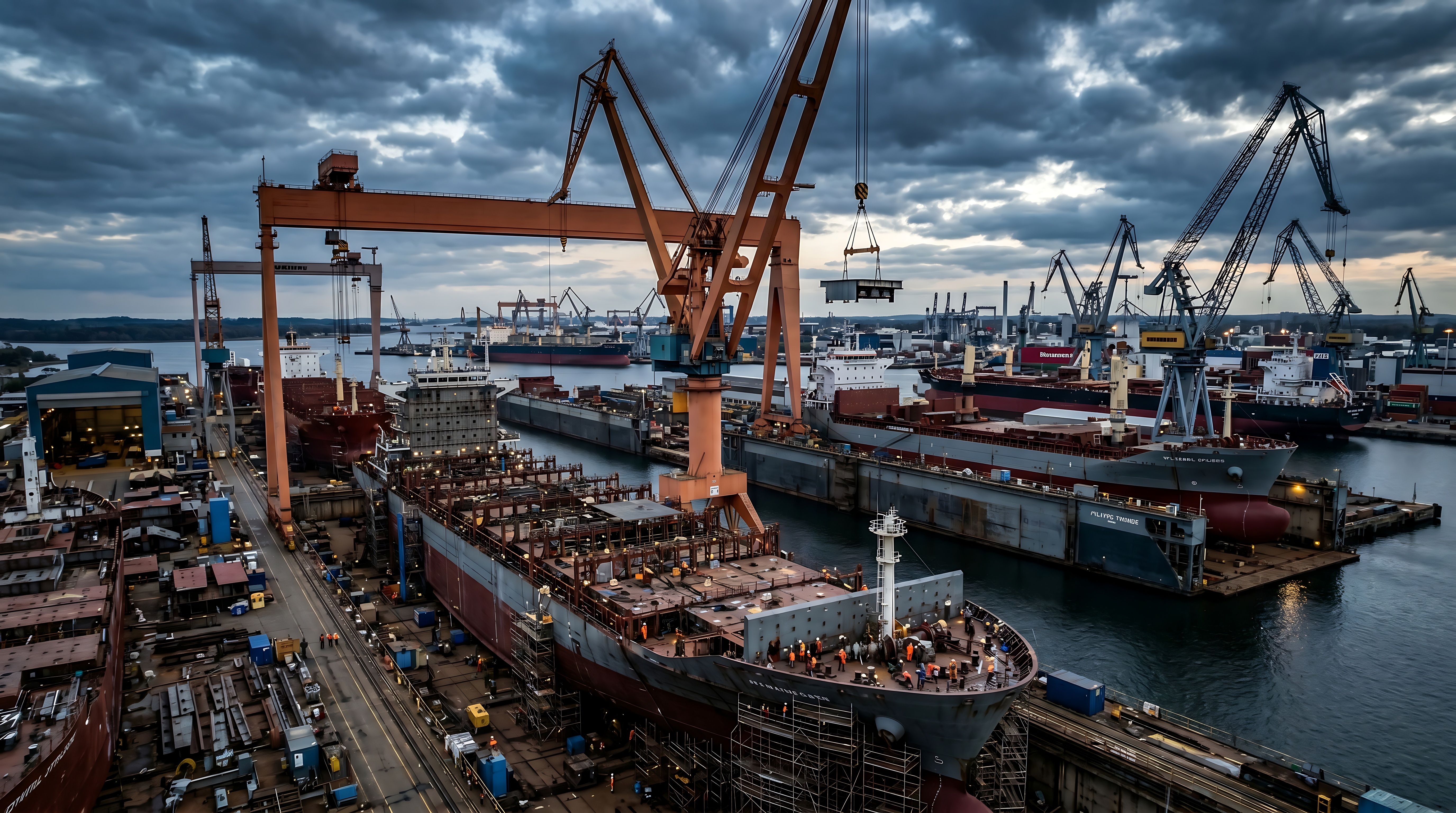
US shipyards are benefiting from unprecedented investment in naval, offshore energy and Jones Act projects. Discover why evolving project risks are challenging traditional insurance programmes and exposing shipyards to new financial and contractual liabilities.
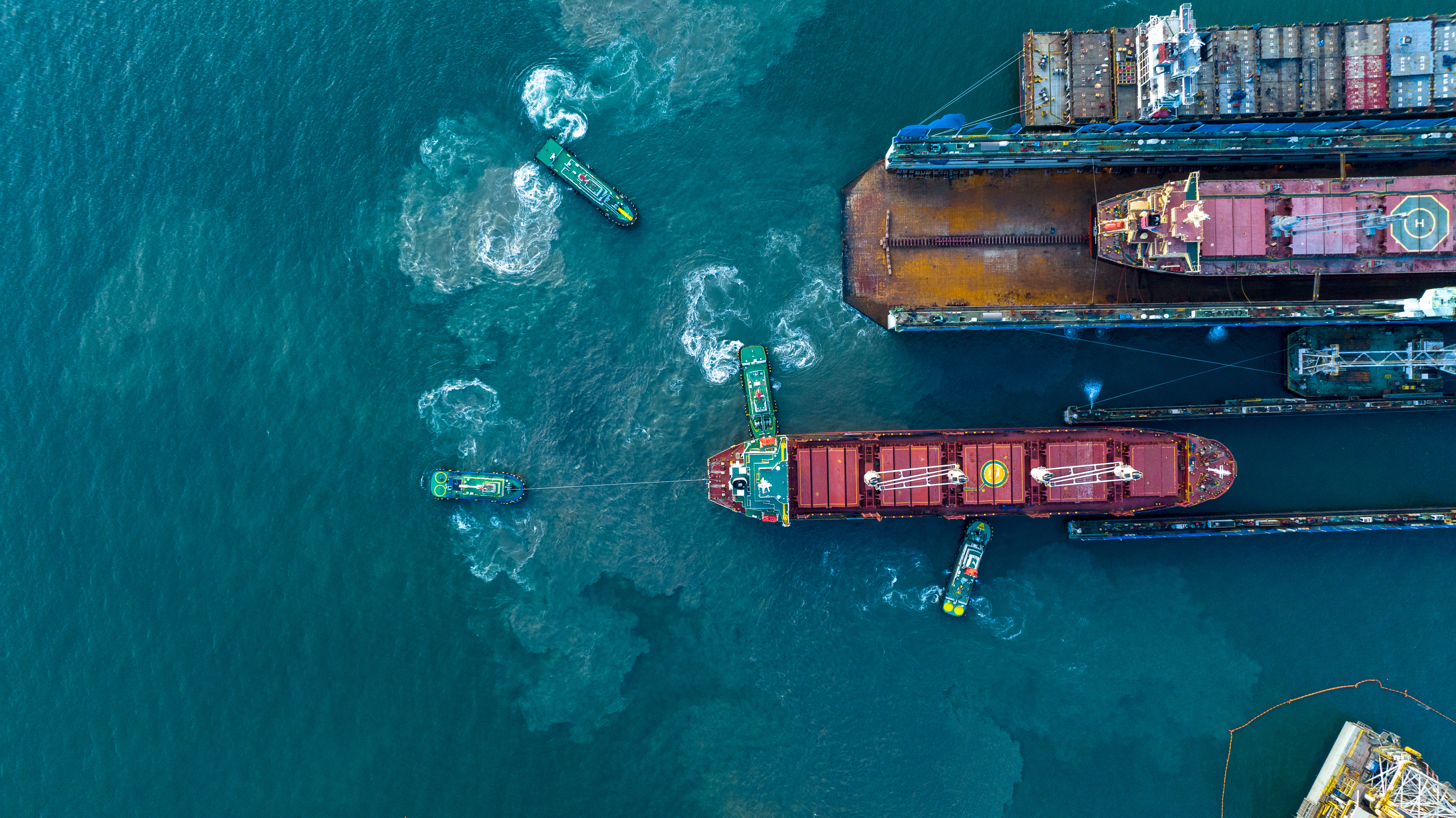
With over 95% of global shipbuilding concentrated in Asia, a single event can impact multiple vessels, contracts and stakeholders. Explore why aggregation risk is becoming one of the region's most significant insurance challenges.
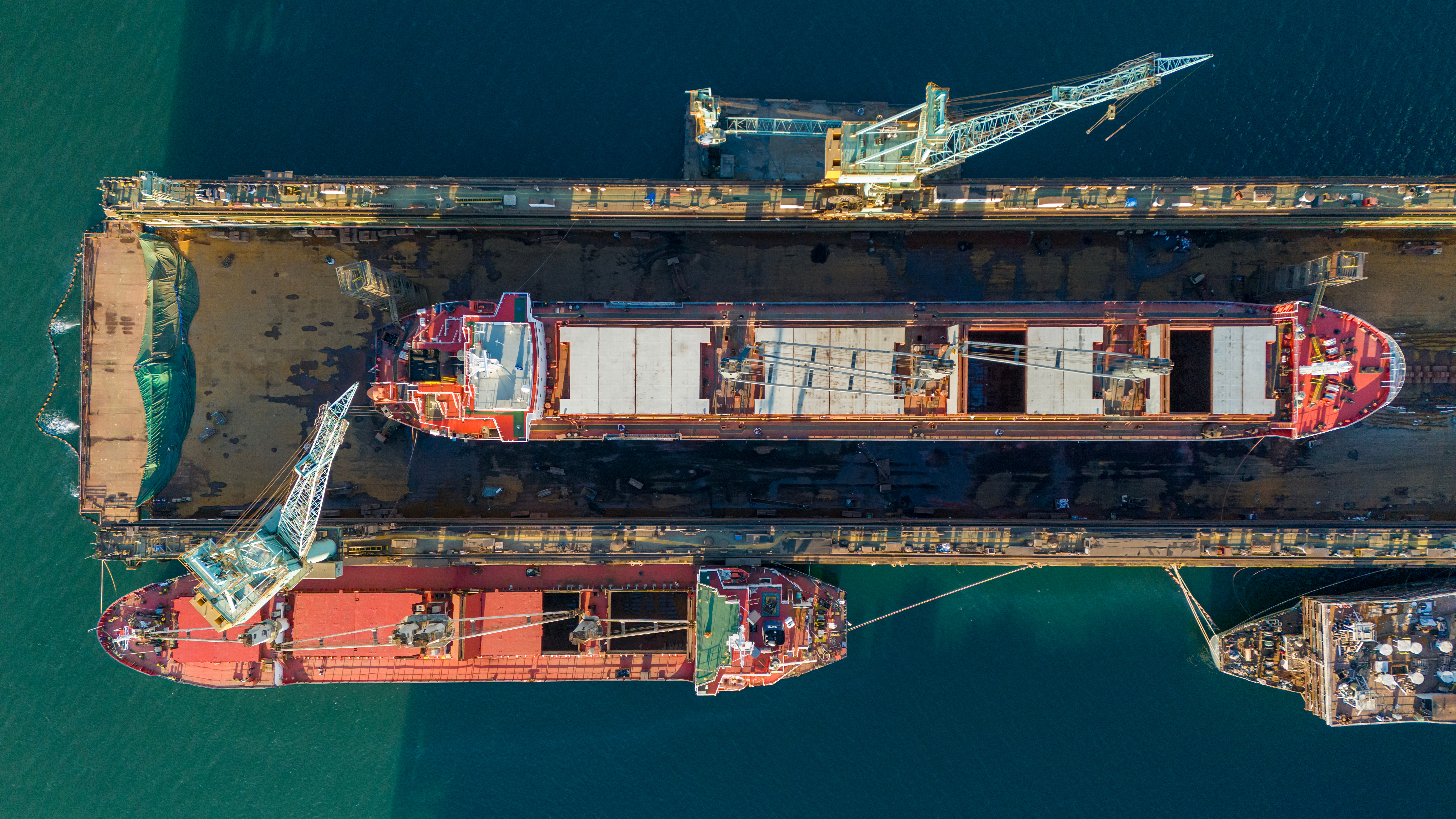
Turkish shipyards face increasing exposure from export contracts, guarantees and offshore projects. Explore how modern shipyard insurance can address emerging risks.
Our experts publish insightful thought leadership, market updates, and industry news publications to keep you informed and ahead of the curve. Subscribe to receive the latest updates straight to your inbox.