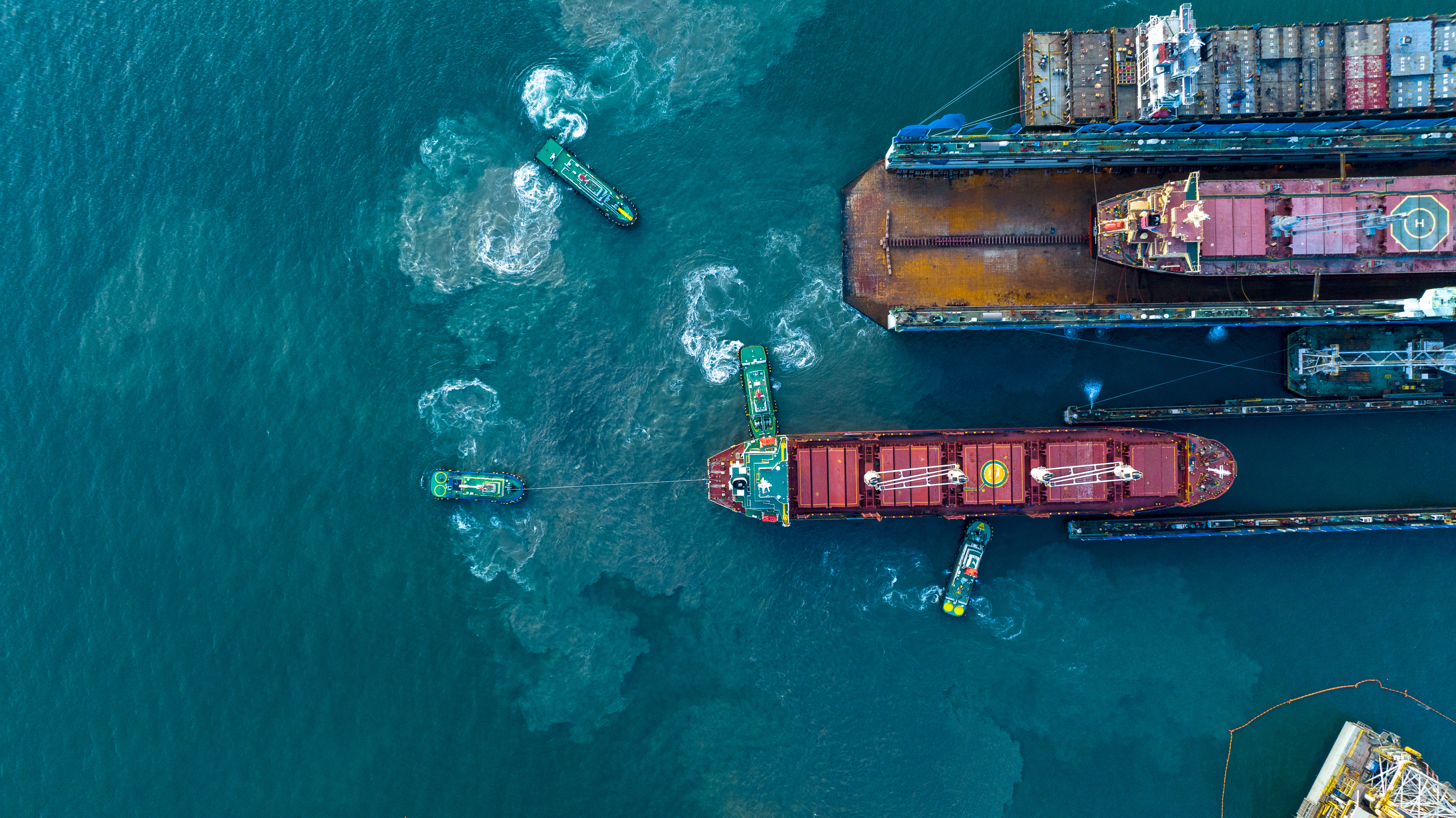
Asia sits at the centre of global shipbuilding, but that dominance is creating a level of concentration and aggregation risk that traditional insurance structures struggle to absorb.
China, South Korea, and Japan now account for over 95% of global shipbuilding output, representing one of the most concentrated industrial sectors globally.
In key segments, this concentration is even more pronounced. These same countries represent approximately 98.5% of global container ship orders, leaving only a marginal share to the rest of the world.
At the same time, vessels are becoming larger, more complex, and more valuable - often built concurrently within dense shipyard clusters.
Yet many insurance programmes remain structured for a far less concentrated and less financially exposed operating model.
This is where aggregation-driven losses, contractual disputes, and balance sheet volatility are now emerging.
Across Asia, shipyards are managing significant increased risk across three material dimensions; scale and aggregation, complexity and internationalisation.
High-volume, aggregated order books now sit alongside increasingly sophisticated vessels, including alternative fuel ships, offshore energy assets, and technically complex conversions. These projects are frequently backed by cross border ownership and financing structures and governed by international contract standards, often under English law.
As a result, contractual frameworks now commonly include liquidated damages, refund and advance payment obligations, milestone based payments, and extended warranty exposure.
The key shift is clear: risk is increasingly defined by contract and financial structure, not just physical build activity.
Asian shipyards are increasingly building for international stakeholders, including European and US owners, multinational energy companies, and leasing platforms supported by export credit agencies.
These counterparties often impose contractual and insurance requirements that exceed local market norms, particularly around builders risk, delay exposure, and financial guarantees. Without careful structuring, this can create a gap between contractual obligations and insurance response.
Many Asian shipyards operate multiple builds concurrently within concentrated geographic footprints and under tight production schedules.
This creates significant aggregation exposure, particularly in relation to natural catastrophe, fire, or construction phase losses. While often understated at programme level, these exposures can accumulate rapidly across multiple projects.
A single event has the potential to impact multiple vessels - across multiple contracts - simultaneously
Asia plays a central role in the construction of LNG, ammonia, methanol, and hydrogen related vessels, as well as offshore energy infrastructure and complex conversions. These projects are defined by higher insured values, longer build periods, and evolving risk profiles that attract increased scrutiny from insurers. As a result, standard insurance structures may not respond adequately without adjustment.
Asia’s dominance is coupled with significant environmental risk. Shipyards across China, Korea, Japan, and Southeast Asia are exposed to typhoons and extreme wind events, flooding and storm surge and seismic activity.
Forecasts indicate above-average typhoon activity, with storm frequency expected to be around 25% above long-term norms in 2026, increasing the likelihood of disruption to coastal industrial assets.
More broadly, maritime infrastructure in the region is highly exposed, with the Pacific accounting for over 50% of the world’s most vulnerable ports to typhoon-related disruption.



The most material uninsured losses typically arise not from major incidents, but from contractual and financial misalignment.
Common drivers include liabilities sitting outside policy scope, delay or performance disputes, and risks linked to milestone payments or delivery obligations. Interface issues between owners, shipyards, and subcontractors also create recurring exposure.
A critical challenge in Asia is the assumption that locally placed insurance aligns with international contract standards. In practice, this is often not the case, with gaps only becoming visible once projects are underway.
Many Asian shipyard programmes are still shaped by local market wordings, annual renewal cycles, and a strong focus on premium efficiency.
However, as projects become larger, more international, and more contract driven, these structures are increasingly misaligned with actual exposure.
Where contract-by-contract review is limited, and insurance is not aligned to project timelines, material balance sheet risk can remain unaddressed.
More advanced shipyards across Asia are taking a more structured and proactive approach.
Insurance is being reviewed alongside contract award, not after placement. Project-specific solutions are being deployed for complex builds, while guarantees including refund, performance, and advance payment structures, are integrated into the broader risk strategy.
There is also a clear shift towards accessing global insurance markets in addition to local placements, supported by more rigorous stress testing of policy response.
The focus is moving from transactional buying to deliberate, contract aligned risk transfer.
A more effective approach begins with the contract. Understanding where contractual obligations exceed insurance response and addressing those gaps early, is critical. This is typically supported by project specific cover for major builds and conversions, rather than relying solely on annual programmes.
Given the scale and concentration of activity in Asia, there is also a need to explicitly address aggregation and natural catastrophe exposure. In some cases, alternative structures, including parametric solutions, may form part of the strategy.
Access to global markets is equally important, combining local insurers with London and international capacity experienced in complex shipbuilding risk.
Save your copy of the report.

We work with Asian shipyards through a contract aware, internationally aligned approach.
This includes detailed contractual exposure reviews, structuring builders risk and construction placements, and developing liability and excess programmes that reflect project realities. We also support with guarantees, credit risk solutions, and aggregation and catastrophe risk analysis.
Crucially, we provide access to specialist global marine insurers alongside local markets.
Our objective is clear: to ensure risk is transferred deliberately, not by assumption.
Asia dominates global shipbuilding – but that dominance brings concentrated, interconnected exposure.
The key question is whether that risk is being deliberately structured and transferred, or accumulating across projects and geographies.
For a broader view of how these trends are reshaping shipyards globally, and how leading operators are responding, see our global briefing, Why Insurance Programmes are Changing.
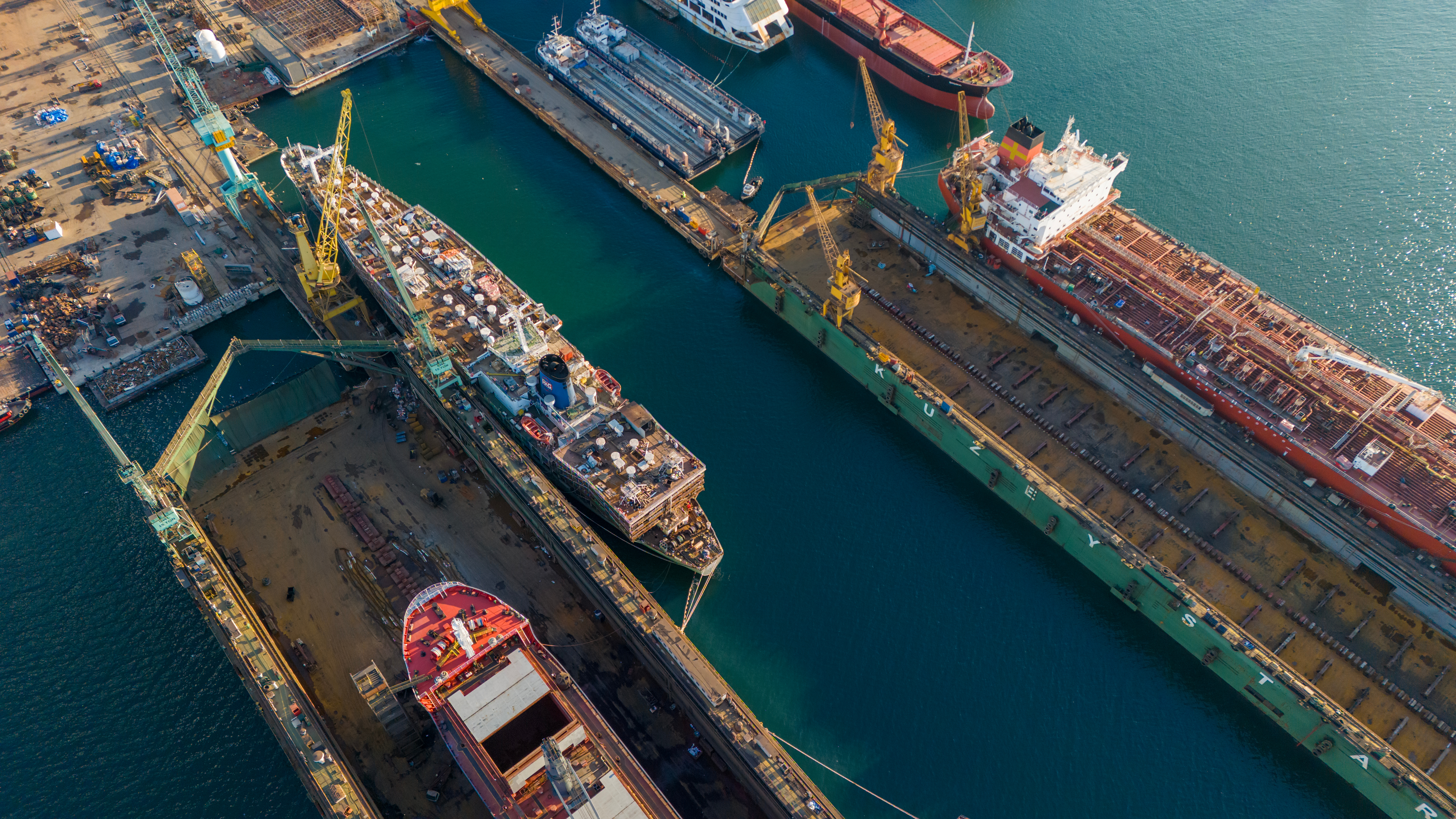
European shipyards face growing contractual, regulatory and project risks that historic insurance structures often fail to address. Discover how modern, contract-aligned insurance programmes can help protect against uninsured exposure and balance sheet volatility.
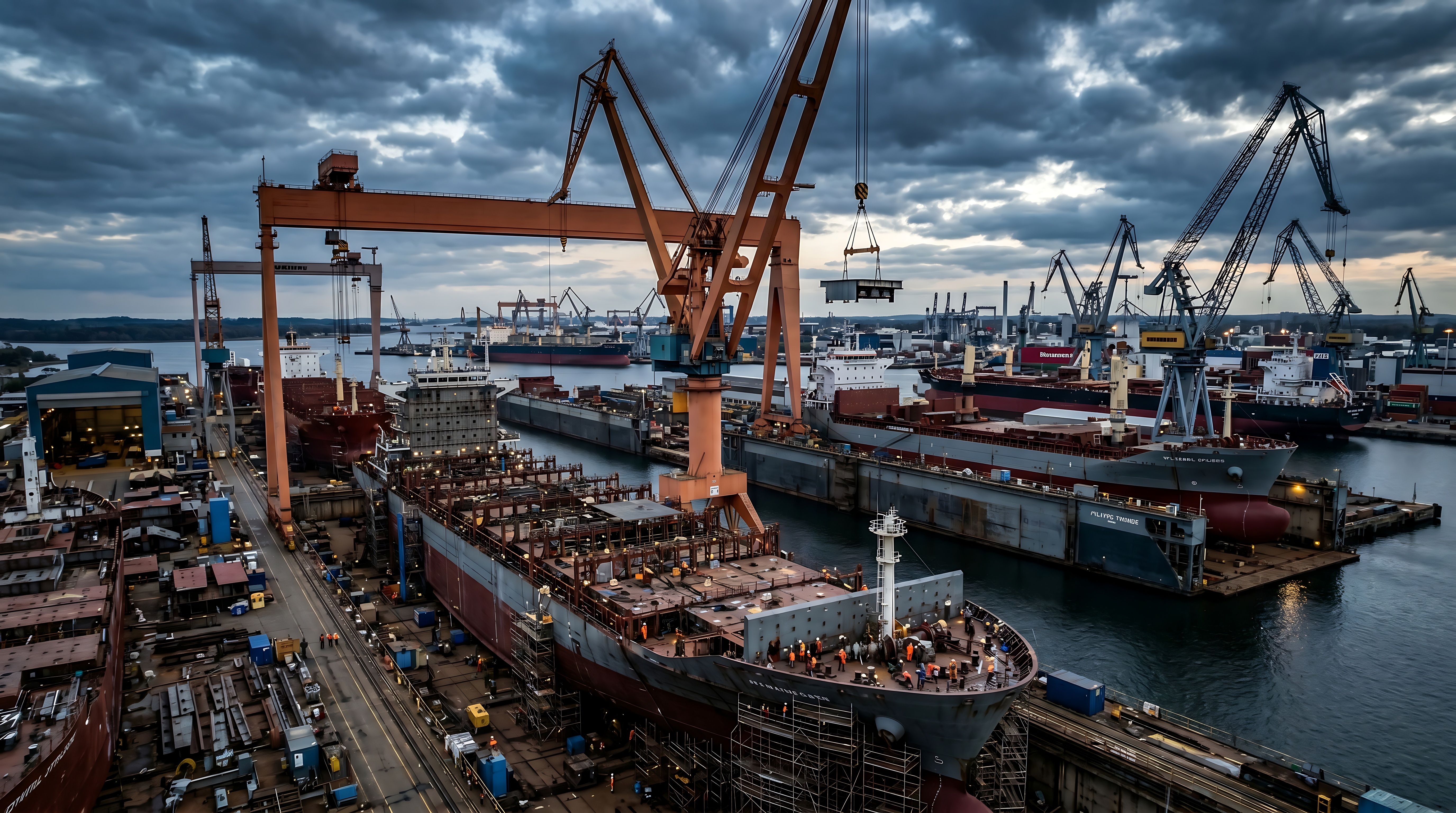
US shipyards are benefiting from unprecedented investment in naval, offshore energy and Jones Act projects. Discover why evolving project risks are challenging traditional insurance programmes and exposing shipyards to new financial and contractual liabilities.
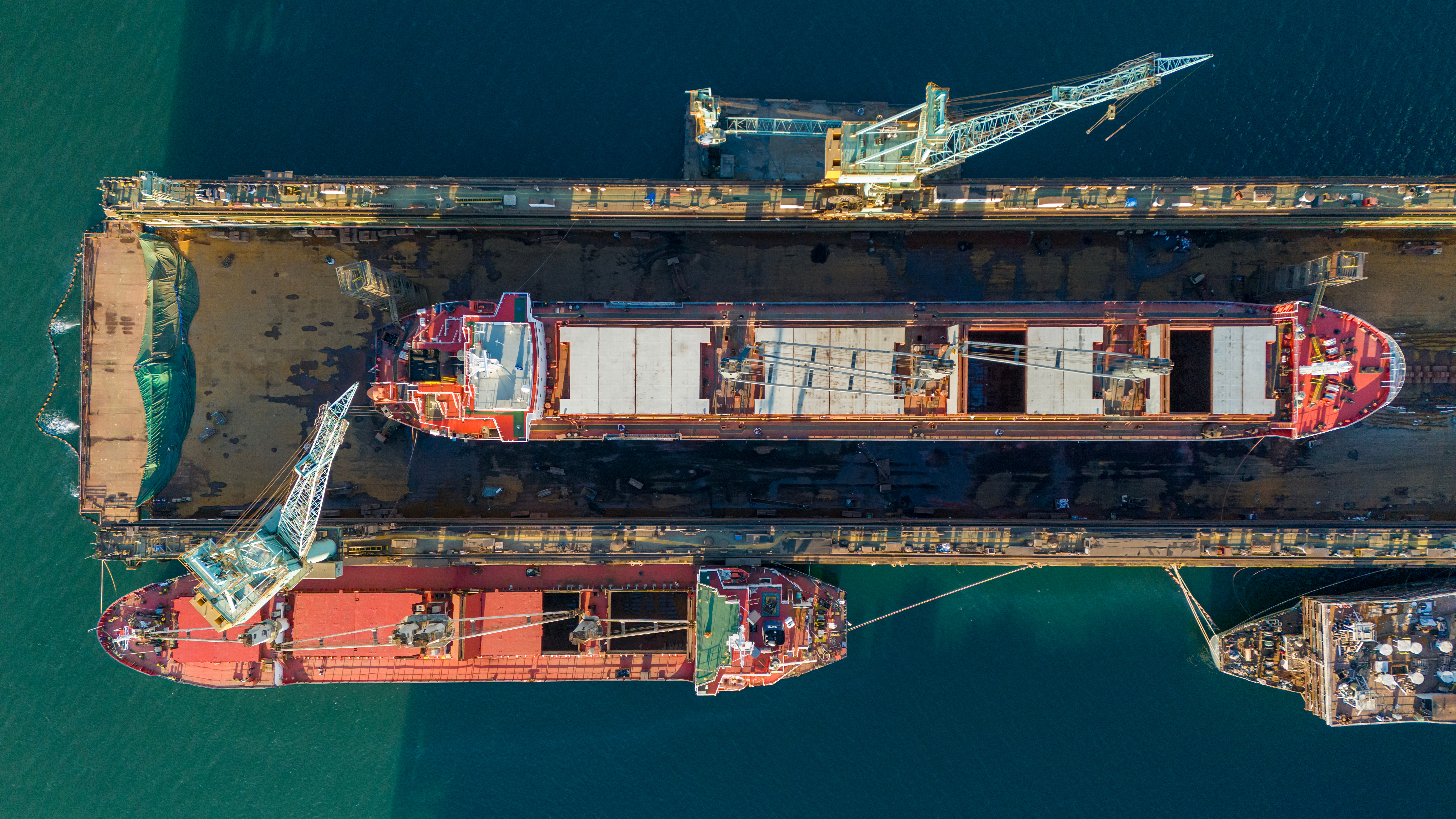
Turkish shipyards face increasing exposure from export contracts, guarantees and offshore projects. Explore how modern shipyard insurance can address emerging risks.
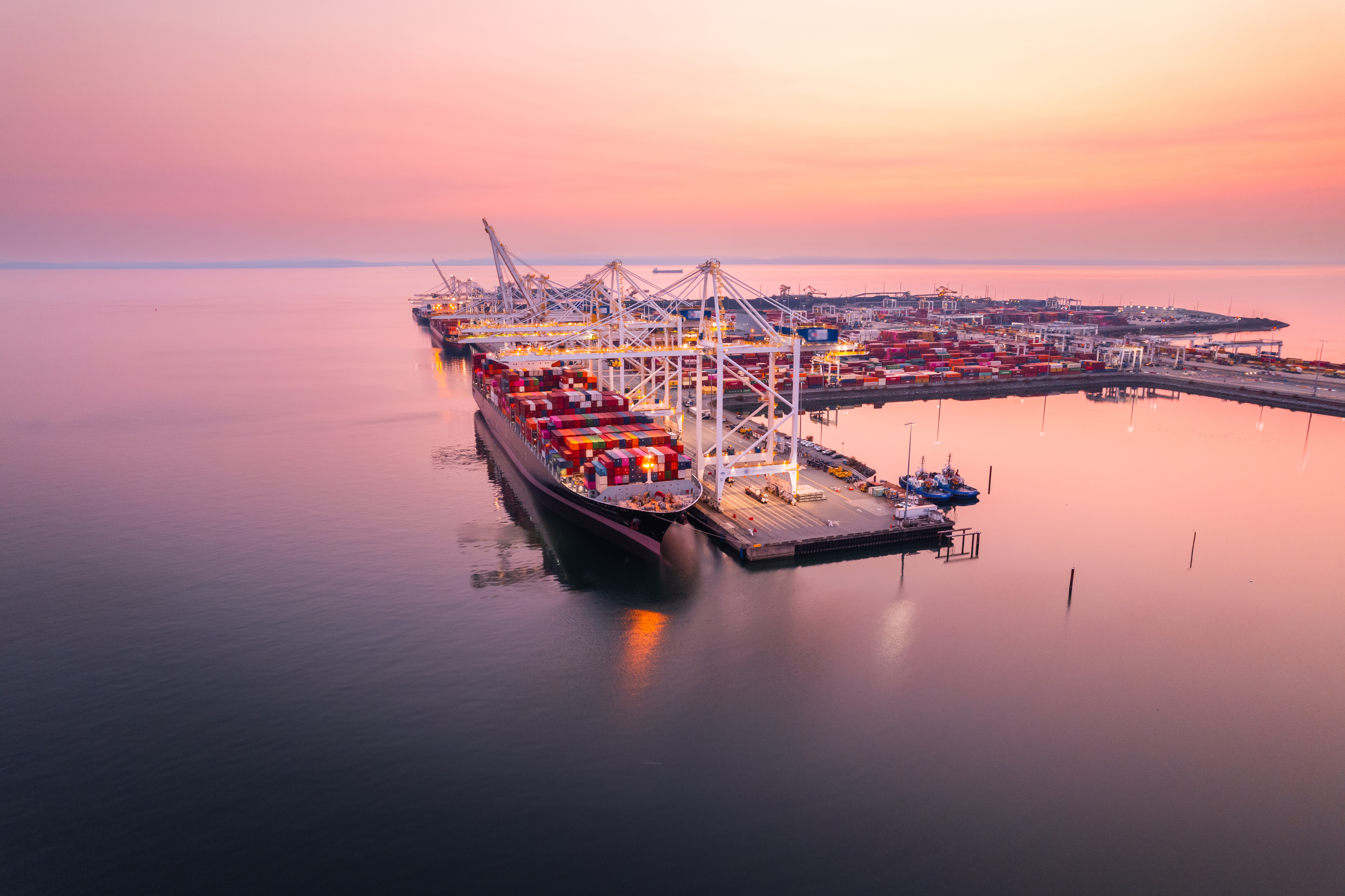
Canadian shipyards face growing exposure from long-term government contracts, Arctic operating conditions and increasingly complex project obligations. Discover why insurers and shipyards are rethinking risk transfer strategies to address emerging contractual and climate-related challenges.
Our experts publish insightful thought leadership, market updates, and industry news publications to keep you informed and ahead of the curve. Subscribe to receive the latest updates straight to your inbox.