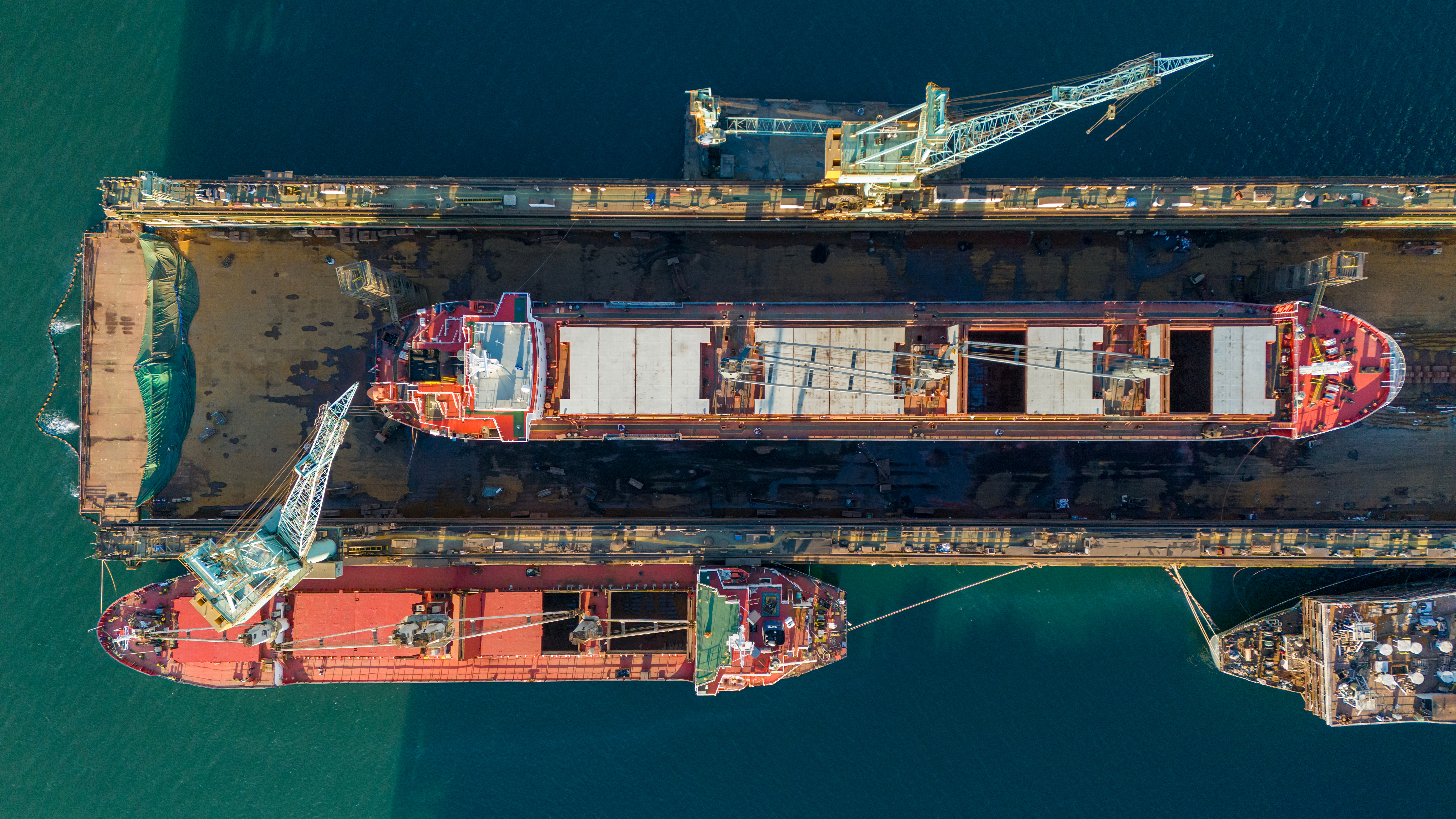
Türkiye has established itself as a highly competitive global shipbuilding and repair hub, supported by a broad industrial base of over 80 active shipyards and export revenues exceeding USD 2 billion annually.
In doing so, its shipyards are increasingly taking on a level of contractual and financial exposure that traditional insurance structures were not designed to absorb.
Export-driven newbuilds, specialist vessels, and offshore energy projects are placing Turkish yards at the centre of international shipbuilding supply chains. At the same time, to secure work, shipyards are often required to accept more onerous contractual terms and provide significant financial guarantees.
Yet many insurance programmes remain structured around traditional yard cover, rather than the full risk profile created by today’s contracts, guarantees, and financing structures.
This is where uninsured exposure, contractual dispute, and balance sheet volatility are now emerging.
Across Türkiye, shipyards are operating in a more complex and internationally exposed environment.
Export-driven newbuilds and conversions are now the norm, with Turkish shipyards delivering 80-120 vessels annually across a production capacity of approximately 50 million DWT, largely for international buyers. At the same time, shipyards are increasingly involved in naval, defence, and state linked projects.
Contracts have evolved accordingly. Liquidated damages, refund and advance payment obligations, performance guarantees, and milestone based payment structures are now standard.
In many cases, Turkish shipyards carry greater contractual risk than peers in more mature markets, even where operational activity is similar.
Turkish shipyards operate predominantly under export-driven contracts, frequently governed by English law or other international frameworks, serving a diverse international client base across Northern Europe and the Middle East.
This introduces a layer of complexity where contractual obligations may not align with locally placed insurance. Without detailed, contract-level review, gaps can emerge between what shipyards are required to assume and what policies will actually cover.
To remain competitive, Turkish shipyards are frequently required to provide refund guarantees, advance payment guarantees, performance bonds, and warranty instruments.
These commitments can create significant balance sheet exposure, particularly if triggered following contractual disputes. Without alignment between guarantees, insurance, and credit solutions, risk can sit with the shipyard unintentionally.
This is the defining Turkish risk: significant balance sheet exposure driven by guarantees, not just insured events.
Turkish shipyards operate across a complex geopolitical landscape, working with EU, Middle Eastern, and Asian counterparties.
Insurance policies in this context often include sanctions clauses, trade restrictions, or exclusions that can affect claims response. If not carefully aligned with trading activity, these provisions can result in unexpected coverage limitations at the point of loss.



The most material losses are rarely caused by physical incidents alone.
In practice, exposures tend to arise from contractual and financial pressures, including liabilities falling outside policy scope, delay and delivery disputes, and the triggering of guarantees following disagreement or non performance.
Foreign exchange volatility and non payment risk can further compound financial outcomes, particularly on export driven projects.
These issues typically crystallise after contract execution, when mitigation options are limited.
Many Turkish shipyard insurance programmes are still built around annual yard packages, focused primarily on physical damage and third party liability.
These structures often operate independently from contract negotiation and guarantee strategy, with decision making driven by renewal cycles rather than project needs.
As projects become larger, more complex, and more internationally driven, this approach can leave material exposure sitting on the balance sheet unintentionally.
More advanced Turkish shipyards are adopting a more integrated approach to risk.
Insurance is increasingly reviewed alongside contract negotiation, rather than after placement. Project specific builders risk solutions are deployed where appropriate, and guarantees are structured in parallel with insurance and credit solutions.
There is also a greater focus on stress testing how policies respond to realistic contract scenarios, supported by access to international insurance markets alongside local placements.
The shift is clear, from transactional insurance purchasing to deliberate, contract aligned risk transfer.
A more effective strategy starts with understanding the contract and its associated financial obligations.
Insurance should be structured to respond not only to physical loss, but also to the contractual exposures embedded within each project. This often requires project specific solutions for complex builds, rather than reliance on annual programmes alone.
Equally important is the integration of guarantee strategy with insurance and credit solutions, ensuring that balance sheet exposure is actively managed.
Access to the right markets is critical, combining local insurers with London and international capacity familiar with export driven and cross border shipyard risk.
Save your copy of the report.

We work with Turkish shipyards through a contract aware, internationally aligned approach.
This includes reviewing contractual exposures in detail, structuring builders risk and conversion placements, and developing liability and excess programmes that reflect real project risk. We also support with guarantees, credit and non payment solutions, and the design of sanctions aware insurance structures.
Our approach provides access to specialist global marine insurers alongside local markets.
Our objective is clear: to ensure contractual, guarantee, and financial exposures are deliberately structured and transferred - not left sitting on the balance sheet.
Turkish shipyards compete successfully on the global stage in terms of cost and capability - but often by taking on greater financial and contractual exposure.
The key question is whether that risk is being actively structured and transferred, or accumulating on the balance sheet.
That outcome should be deliberate, informed, and aligned with the realities of export driven shipbuilding.
For a broader view of how these trends are reshaping shipyards globally and how leading operators are responding, see our global briefing, Why Insurance Programmes are Changing.
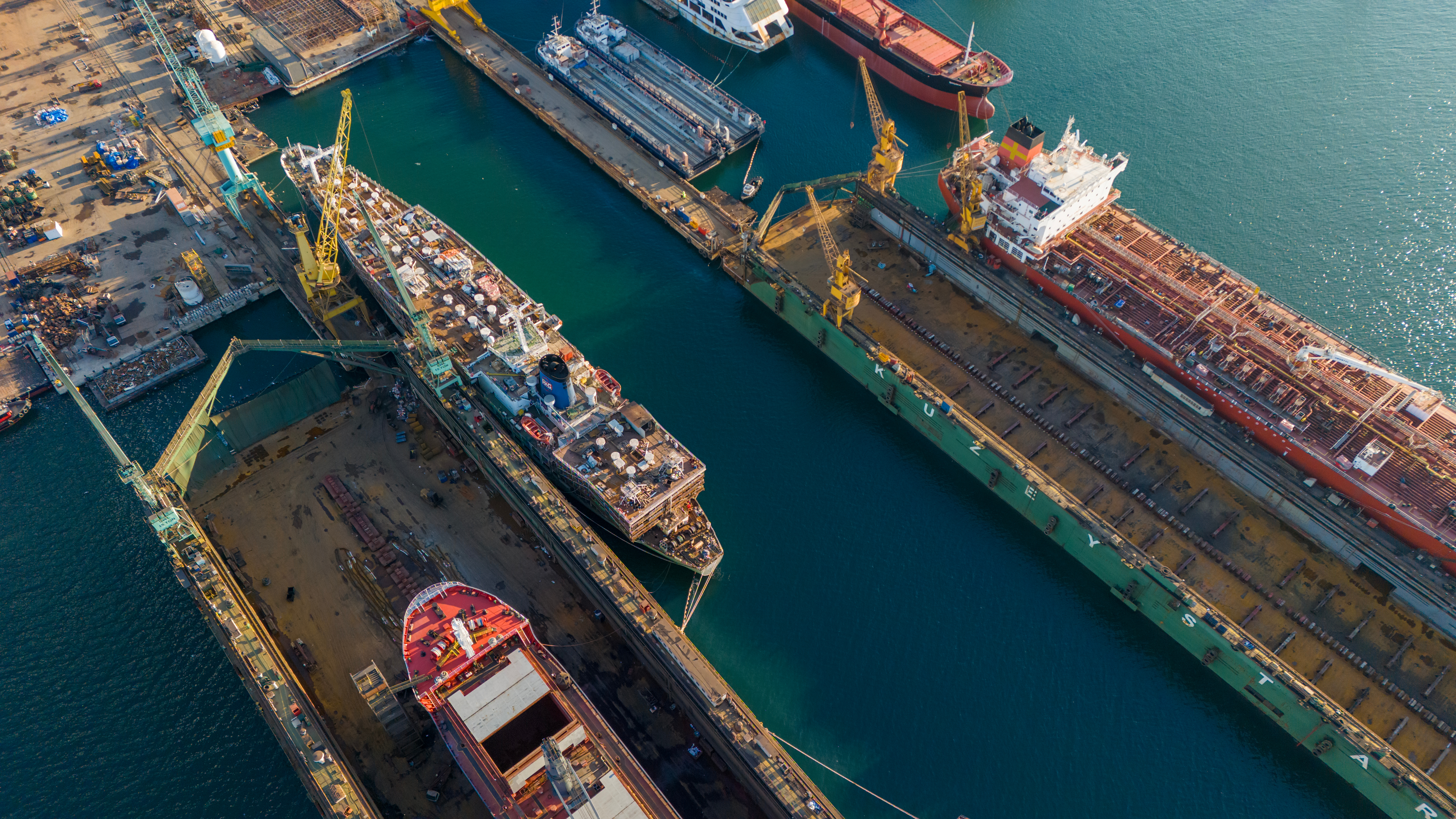
European shipyards face growing contractual, regulatory and project risks that historic insurance structures often fail to address. Discover how modern, contract-aligned insurance programmes can help protect against uninsured exposure and balance sheet volatility.
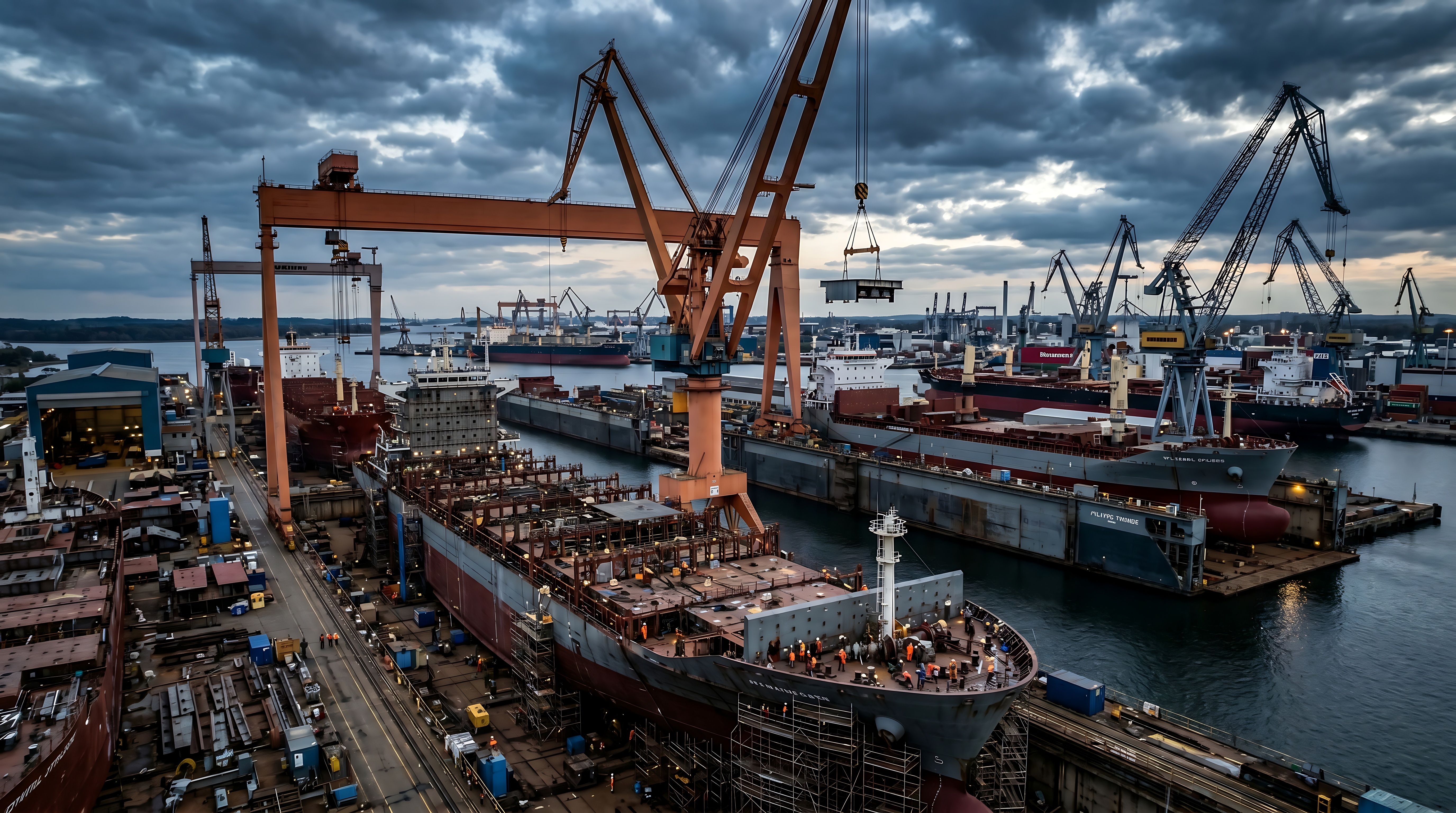
US shipyards are benefiting from unprecedented investment in naval, offshore energy and Jones Act projects. Discover why evolving project risks are challenging traditional insurance programmes and exposing shipyards to new financial and contractual liabilities.
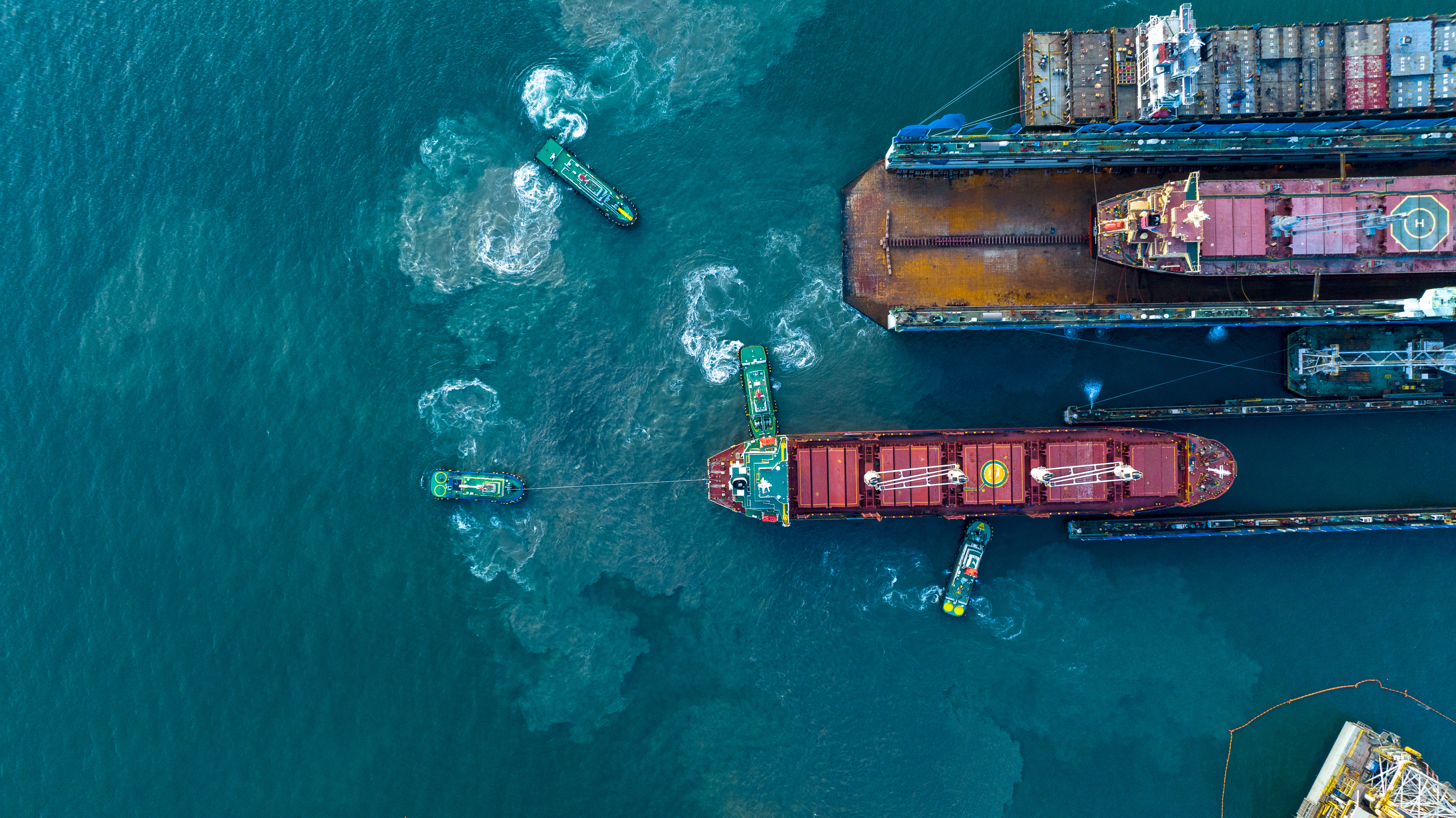
With over 95% of global shipbuilding concentrated in Asia, a single event can impact multiple vessels, contracts and stakeholders. Explore why aggregation risk is becoming one of the region's most significant insurance challenges.
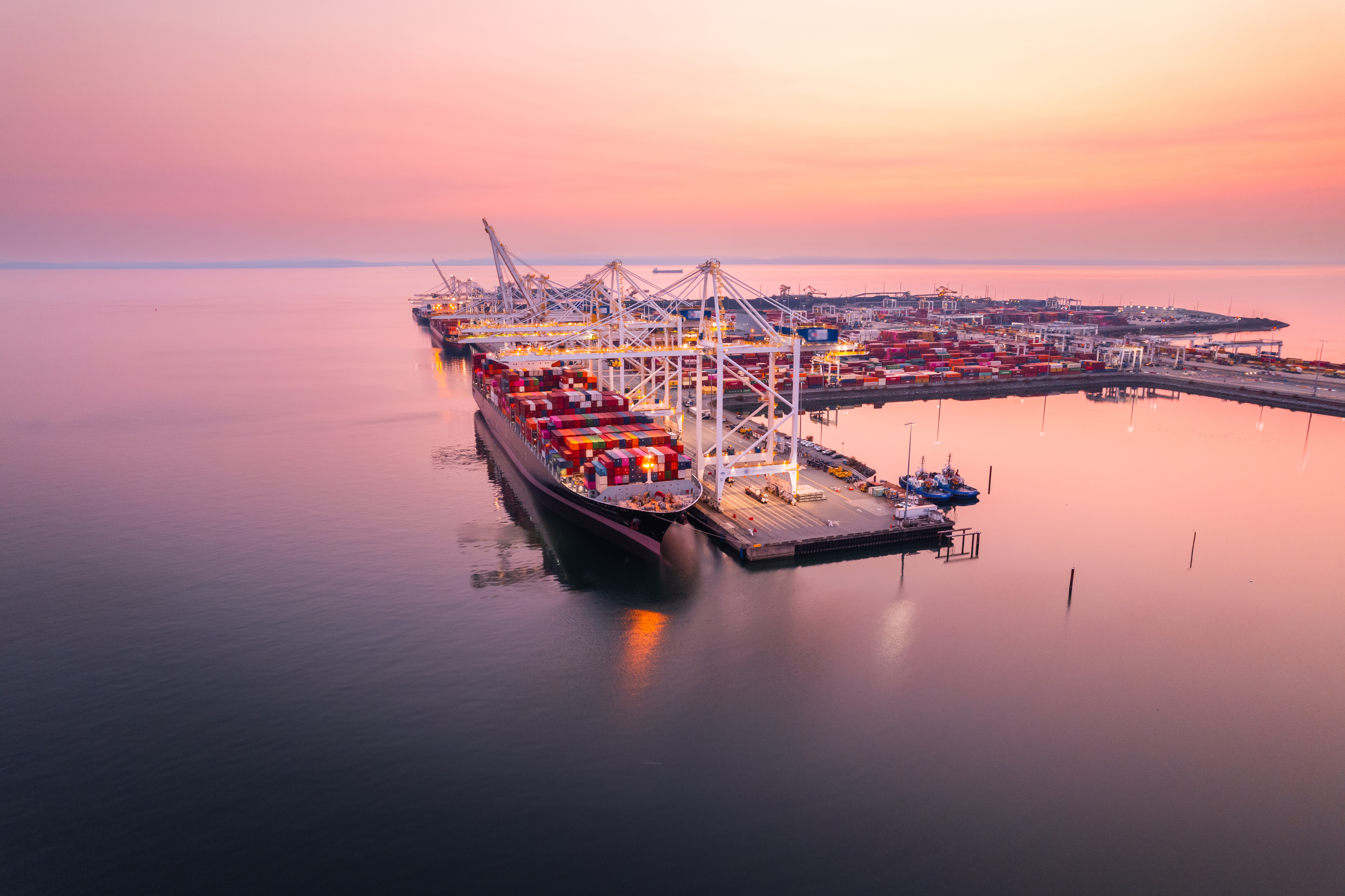
Canadian shipyards face growing exposure from long-term government contracts, Arctic operating conditions and increasingly complex project obligations. Discover why insurers and shipyards are rethinking risk transfer strategies to address emerging contractual and climate-related challenges.
Our experts publish insightful thought leadership, market updates, and industry news publications to keep you informed and ahead of the curve. Subscribe to receive the latest updates straight to your inbox.