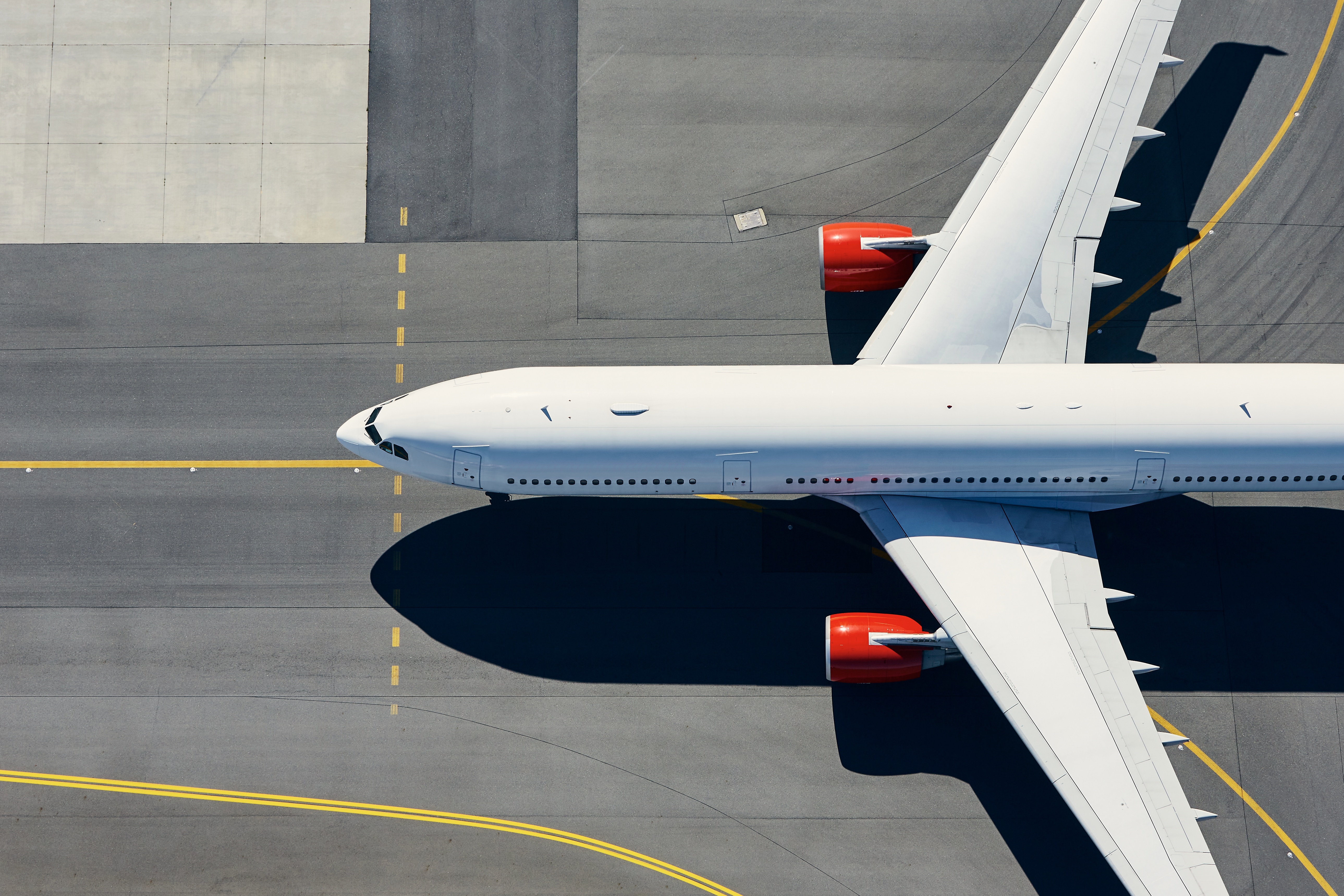
When it comes to aviation safety, the industry has long excelled at managing technical and mechanical risk. But an equally critical dimension sits within the human system. In this edition of Risk Radar, we explore why psychosocial governance should be embedded in airline risk management culture. Kimberley Perkins, PhD Research Scientist at the University of Washington and Boeing 787 pilot, who recently presented at the Price Forbes Aviation Conference in Bogotá, offers us her insight into how mental health, psychological safety and emotional intelligence shape operational resilience.
When passengers board an aircraft, they entrust their lives to pilots they may never meet, professionals who operate within one of the most rigorously regulated safety systems in any industry. Pilots undergo biannual simulator checks, frequent medical reviews, audited training, and continuous operational data monitoring.
Commercial aviation is statistically one of the safest forms of transport; yet safety extends beyond procedures and machinery. It is also driven by human behaviour shaped by mental health, psychological safety, and emotional intelligence. While the industry has mastered technical risk management, its next evolution is to formally integrate psychosocial factors into enterprise risk frameworks, ensuring human system vulnerabilities are monitored and managed alongside traditional operational risks.
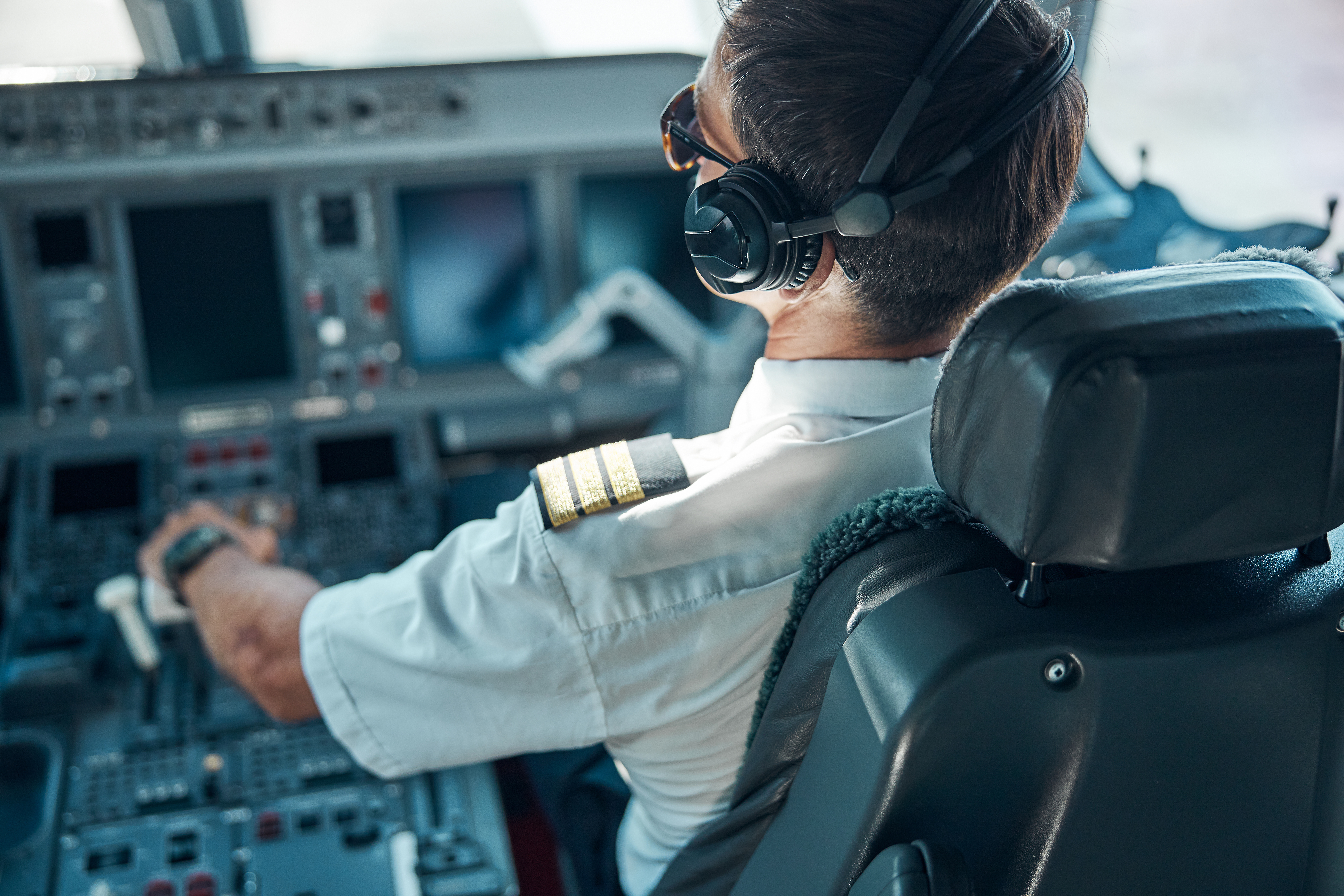
Discussions about pilot mental health often anchor on extreme, rare events such as the Germanwings tragedy in 2015. While these cases are not representative of airline pilots, rarity does not eliminate relevance from a risk perspective. More commonly, untreated psychosocial strain shows up subtly: reduced resilience under persistent stress, less effective communication, weaker assertiveness across hierarchy gradients, or diminished error trapping capacity. Small degradations in human performance can accumulate in ways that influence system reliability over time.
Empirical studies support this concern. A 2016 global survey found a significant proportion of pilots reporting depressive symptoms, exceeding rates in the general population. Many expressed reluctance to seek treatment due to fears of certification loss or career harm. Later studies confirm that, when formal help seeking is perceived as risky, individuals may resort to informal or unhealthy coping mechanisms such as self medication, misuse of prescriptions, increased alcohol intake, anonymous online venting, or even relying on AI tools for emotional support. These behaviours indicate not irresponsibility, but a system in which silence feels safer than disclosure.
Pilots are trained to compartmentalise personal stressors from operational performance. This skill is essential: an engine failure at rotation must not be influenced by divorce proceedings, financial pressure, or family issues. Compartmentalisation enhances acute safety by ensuring focus and procedural reliability.
However, prolonged or exclusive reliance on compartmentalisation without structured decompression pathways can create latent vulnerabilities. Deferred stress accumulates, potentially reducing cognitive bandwidth, slowing error recovery, or eroding communication effectiveness. These effects are incremental and typically invisible in standard reporting systems, making them a critical blind spot for risk managers.




Most airlines offer Employee Assistance Programs (EAPs), peer support networks, and access to mental health resources. On paper, these represent strong mitigations. In practice, utilisation rates reveal a wide gap. A global study in 2025 found that although 98% of pilots and controllers view mental health as a professional concern, nearly half reported needing support at some point, yet only 12% used available resources.
The barriers are cultural and psychological, not structural: stigma, fear of jeopardising medical certification, and deeply ingrained professional identity norms. Pilots often equate vulnerability with threat to employability. This creates a classic risk management problem: controls exist but are not effectively reducing exposure due to limited engagement.
A 2024 Royal Aeronautical Society report positioned crew psychological wellbeing as a meaningful risk exposure from legal, regulatory, and insurance perspectives. As aircraft grow, more technologically standardised and mechanical failure rates decrease, the relative proportion of human performance variability becomes more material in risk modelling. The long term implication is clear: operators that actively manage psychosocial risk may present as more stable, lower volatility exposures to insurers.
Forward looking underwriters are therefore increasingly interested in how airlines measure burnout trends, psychological safety, peer support utilisation, and behavioural competencies, especially emotional intelligence, as part of operational reliability. Unlike rare catastrophic events, psychosocial risks manifest cumulatively, making governance and reporting essential.
Emotional intelligence (EI) underpins many competencies already embedded in global pilot training frameworks: self awareness, self management, assertiveness, communication, and conflict resolution. Crew resource management (CRM), the foundation of aviation safety culture, relies heavily on these interpersonal capabilities.
Psychological safety on the flight deck, particularly First Officers feeling comfortable questioning decisions, expressing uncertainty, or reporting mistakes, is closely tied to EI. High EI leaders foster climates in which critical safety signals surface early; low EI environments suppress reporting and increase latent risk.
At the individual level, strong EI correlates with improved stress regulation and resilience. At the crew level, it reduces authority gradient risks and enhances error detection. At the system level, EI influences reporting culture and the visibility of emerging hazards.
Interestingly, some studies suggest pilots as a group may score lower on certain EI traits compared with the general population. While this finding requires further research, it highlights opportunities for targeted EI development across training, recruitment, and leadership pathways, not as “soft skills,” but as operational risk factors.

Risk that is not measured cannot be managed. Safety management systems (SMS) require safety culture monitoring, but current metrics rely largely on proxies such as reporting rates or audit findings. Few operators systematically measure:
Validated tools exist, burnout scales, psychological safety instruments, EI assessments, anonymous pulse surveys, but adoption remains limited. Methodology is not the barrier; it’s whether organisations choose to integrate them into formal risk frameworks.
A mature psychosocial risk strategy could integrate:
Importantly, these approaches complement existing EAP and peer support programs rather than replace them.
As mechanical risks decline, human performance governance becomes a key differentiator. Airlines able to demonstrate structured measurement, targeted training, psychologically safe leadership, and transparent use of support systems may be viewed as lower volatility risks. Psychosocial governance may eventually follow the trajectory of SMS, evolving from innovation to industry baseline.
Aviation as a means of transport is generally safe, but long term resilience requires addressing the human system with the same discipline applied to the mechanical one. Psychosocial risk is measurable. Emotional intelligence is trainable. Utilisation gaps are identifiable. The industry must decide whether to treat these variables as peripheral wellbeing issues or core components of risk management.
Price Forbes offers a deep understanding of today’s complex risks and a relentless focus on what’s next, giving you the edge to succeed tomorrow.
Aviation war markets face renewed volatility as geopolitical tensions rise. Explore market responses, emerging trends, and guidance for airline risk management.

2025 brings record aviation losses and shifting liability risks. Discover how claims, war markets, and renewals are reshaping airline insurance.
On 11th June 2025, the UK High Court ruled that the losses incurred by lessors as a result of the aircraft seized by Russia, following the invasion of Ukraine, were to be covered under Hull War policies.
Our experts publish insightful thought leadership, market updates, and industry news publications to keep you informed and ahead of the curve. Subscribe to receive the latest updates straight to your inbox.