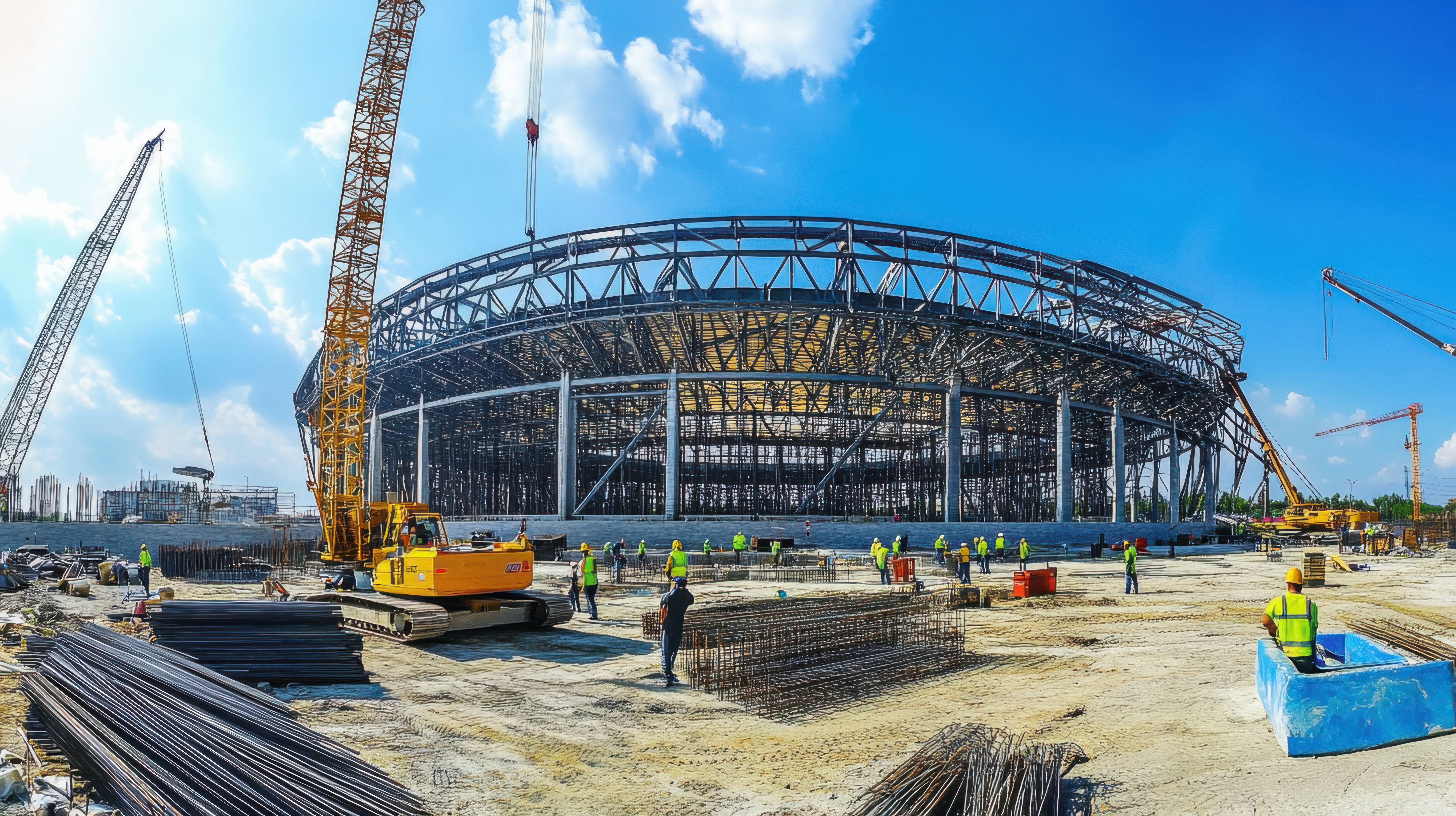
Sports and entertainment projects operate in high-stakes environment where timelines are fixed, reputations are visible and financial exposures can escalate quickly. With minimal tolerance for delay or disruption, insurance plays a critical role in enabling project certainty.
We outline the key insurance considerations across the project lifecycle and how a structured, specialist approach can protect value and support a seamless transition into operation.
Key insurance considerations include:
Clearly, there are numerous elements to consider and a careful approach to insurance is required. At Price Forbes, we make the understanding and procurement of insurances as simple as possible, allowing you to focus on the many other priorities that come along with tendering a project. We can help you understand your risk profile, ensure that the appropriate cover is secured, insurances dovetail with existing cover, achieve competitive premiums and broad coverage.
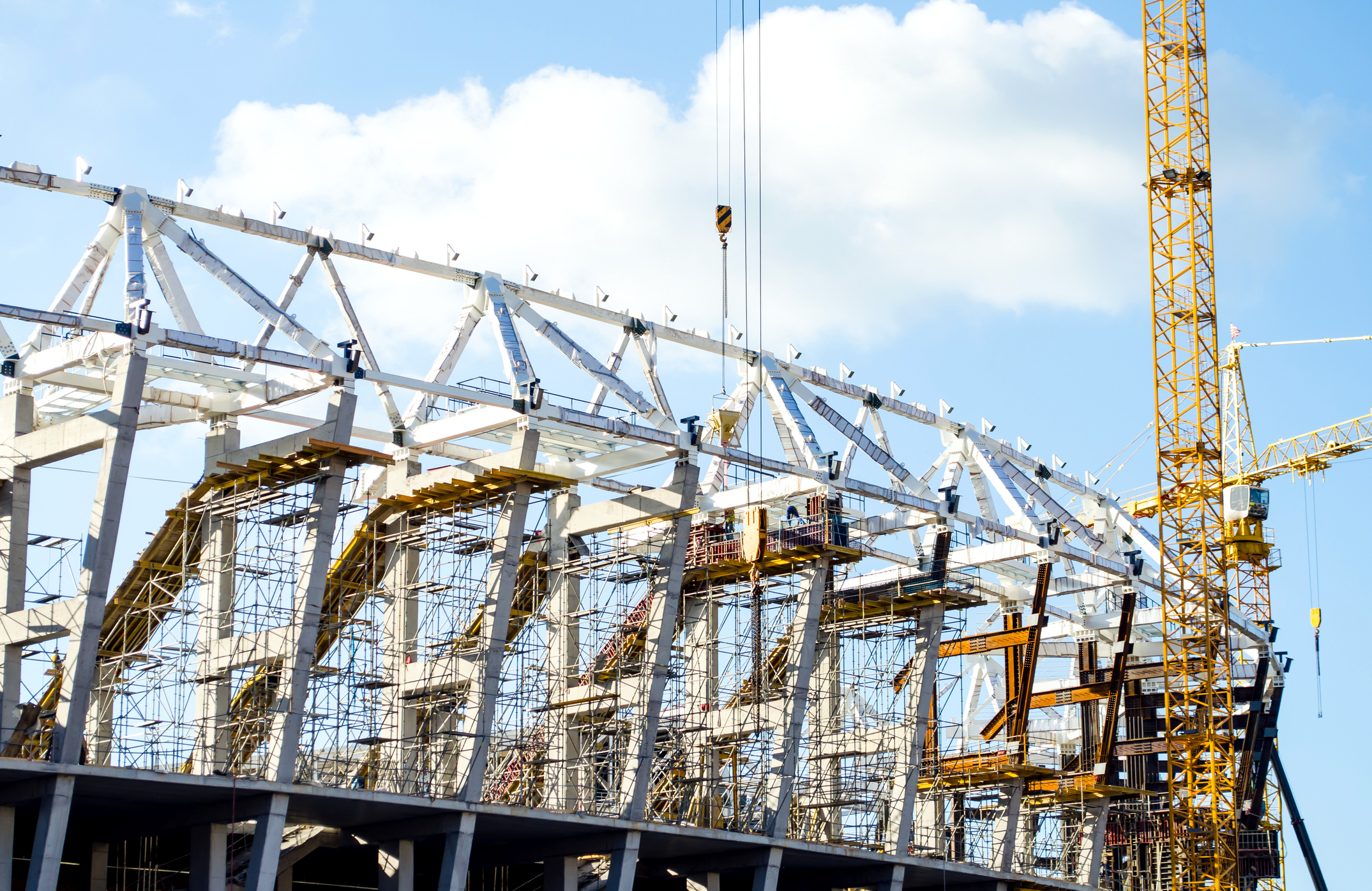
For the examples provided above, there are several insurance products which can provide risk mitigation, such as:
Judicial review insurance provides protection should a third party challenge the planning permission by way of judicial review and is part of a wider suite of products collectively referred to as legal indemnities. Such products include protection against over 45 specialist legal indemnity concerns, including rights of light, restrictive covenants, mineral rights, judicial review, enforcement of rights, absence of easement (access & services). All of which can provide an indemnity for:
Covers are provided for a one-off premium and usually run in perpetuity automatically protecting successors, lenders and lessees.
If the contractor becomes insolvent during construction, and the employer has relied on the contractor to arrange the necessary construction insurances, those policies will typically lapse as the contractor enters administration. Leaving the employer with an uninsured, part-complete asset.
To mitigate this risk, we recommend employers arrange the construction all risks (CAR) insurance for the project, allowing the insurance to remain in situ should the original contractor become insolvent and a continuation of the same cover when the new contractor is appointed. An owner-controlled approach also allows for the insurance to be tailored to your exact needs, provides comfort on the breadth of cover procured and access to the broker who placed the insurance so that any queries, concerns or claim scenarios can be discussed in detail.
If the wider professional team becomes insolvent during or post completion of the works, the professional indemnity insurance for those parties will lapse thereby impacting the employer’s ability to seek recourse for breaches of professional duty (e.g. an element of the project not performing as intended.)
Owner’s protective professional indemnity insurance, often referred to as “OPPI” insurance, is a form of contingent policy covering a project owner for claims and defence costs arising from the professional negligence of a design and build contractor, designer or other professional (construction professional). The policy, accessible by the insured project owner only, not the construction professional, is intended to operate when the professional indemnity insurance maintained by the construction professional is not sufficient to cover the project owner’s claim.
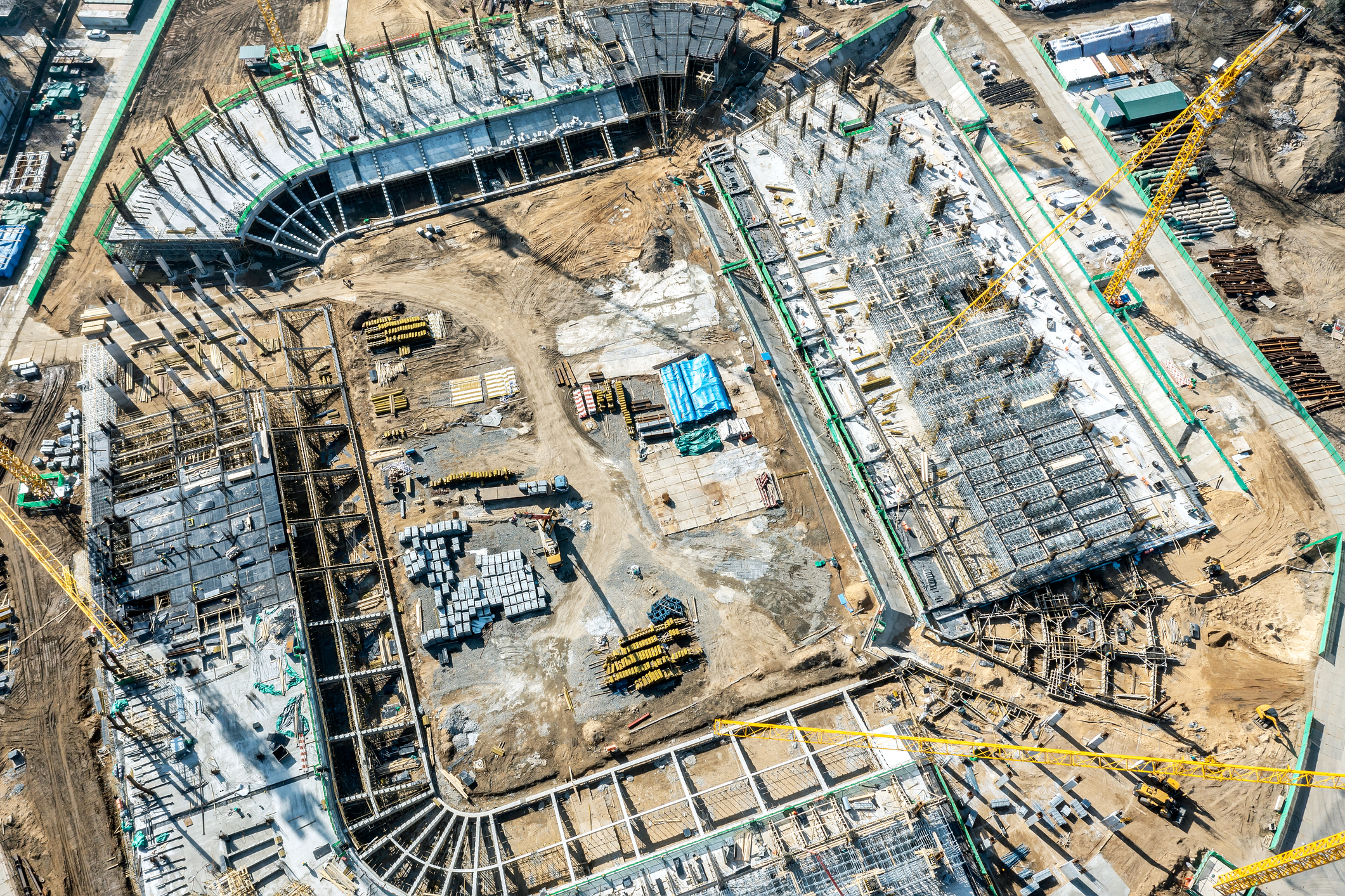
Sports and Entertainment projects typically have significant associated revenue expectations from the operational asset which can be significantly impacted should there be a delay to the project completion. For example, missing the start of an event and having the organisers moving the entire event to an alternative venue resulting in a long-term reduction in revenue potentially disproportionate to the period of the delay.
The loss of anticipated revenue or the additional financing costs incurred by physical damage to the project during the construction period (e.g. a fire) can be insured via the procurement of Delay in Start Up (DSU) Insurance. But it is imperative that you work with a broker who understands the impact of a delay and how this may not be a linear exposure over time to ensure a reasonable indemnity, in the event the insurance is called upon.
Where phased handovers are anticipated from inception, it is important to work with a specialist broker who can navigate the implications to the CAR, DSU, property damage, business interruption and third-party liability insurances to ensure there are no gaps in coverage or unnecessary expenses incurred. Your broker of choice should also be confident in the impacts such an arrangement may have on the contractual insurance responsibilities between the contractor and employer at handover.
Projects which are expected to be mixed use, including retail operations even when there are no events, should consider latent defects insurance (LDI) which provides an indemnity for a 10-12-year period post completion of the works for losses arising due to defects in design, workmanship or material. This insurance protection is increasingly requested by lenders and occupiers who want protection from damage arising from pre-existing defects as such losses are typically excluded under a property damage policy.
Should the project involve residential elements then employers should procure UK Finance approved building warranty insurance (also known as LDI) for residential properties as this is required by lenders in order to provide mortgages to potential purchasers.



As the project or sections thereof, complete, it is essential that the construction phase insurances and operational insurances dovetail. The property damage insurers should be engaged through design and build to ensure that the proposed risk management solutions (e.g. fire suppression, security, water monitoring, flood defences) meet the requirements of the operational insurers prior to the property going on risk.
The operational insurers should be aware of the anticipated practical completion date and be prepared to provide insurance on short notice, given the nature of practical completion being agreed.
Where the project involves sectional completion, careful consideration should be given to the allocation of risks at sectional completion. For example, the reduction in delay in start-up sum insured and proportional increase in business interruption sum insured or, where the project is a newbuild rather than extension or renovation, the change in risk as the completed section transitions from being insured under the construction all works policy to becoming insured under the property damage policy, as referred to in the “Managing phased handover” section above.
Whatever your concerns, Price Forbes would be happy to discuss them with you and explore how these may be addressed either contractually or via the insurance market.
Every project comes with its own pressures, constraints and ambitions. The earlier risk is addressed, the more effectively it can be managed.
If you are planning or delivering a project in this space, speak to our Construction team to understand how a tailored insurance strategy can protect your timeline, investment and reputation.
Our Construction division is built with clear purpose: to deliver innovative, straightforward insurance solutions precisely tailored to your needs. We believe in removing complexity, so you can build with confidence.


Explore why Latent Defect Insurance is gaining traction in the U.S. and how it helps manage long-tail construction risk after completion.
Understand post‑completion CAR cover, defects liability periods and the differences between visits, extended and guaranteed maintenance variants.

A clear guide to defects exclusions in CAR insurance, covering DE and LEG clauses and how they impact construction claims.
Our experts publish insightful thought leadership, market updates, and industry news publications to keep you informed and ahead of the curve. Subscribe to receive the latest updates straight to your inbox.