05 March 2026 | Insight


The regional security environment has deteriorated sharply following recent military escalation involving Iran, with retaliatory activity impacting key trading areas across the Gulf. For marine and energy clients, this should now be treated as a live, fast-moving war-risk environment, with the Arabian Gulf, Strait of Hormuz, Gulf of Oman, Red Sea and Gulf of Aden all materially elevated from a risk perspective. The Strait of Hormuz and Gulf of Oman remain the most immediate areas of concern.
Risk to commercial shipping has increased materially. Multiple incidents affecting commercial vessels have been reported in waters off the UAE and Oman, including projectile impacts and near-miss explosions. Even without confirmed total vessel losses, the tempo and proximity of incidents point to a significantly more volatile operating environment for owners, charterers and cargo interests.
The most immediate concern remains transit through the Strait of Hormuz. Vessels with US, Israeli or UK links, or cargoes associated with those interests, are likely to face the highest immediate risk profile. While there is no official confirmation of a formal closure, the prospect of attempted disruption to traffic, interference with operations, and short-notice changes to risk conditions reinforces the likelihood of delays and route disruption.
The threat is not limited to directly targeted assets. The risk of collateral damage or mistaken targeting remains elevated where vessels are operating close to military activity. This is compounded by hazards created by interception activity, falling debris and rapidly changing exclusion zones.
Navigation risk has also intensified. Reports of GNSS/GPS/AIS interference in and around the Strait of Hormuz increase the likelihood of positional inaccuracy, routing errors, operational incidents and claims complexity. In parallel, the potential for drifting mines in the Strait should now be treated as a credible risk with clear implications for hull, P&I and war exposures.
Energy infrastructure is now clearly within scope of the conflict. Explosions have been reported at key Iranian energy and port locations, and offshore assets have also been exposed to strike risk. This is a significant development for insureds with offshore platforms, rigs, terminals and associated infrastructure across the region.
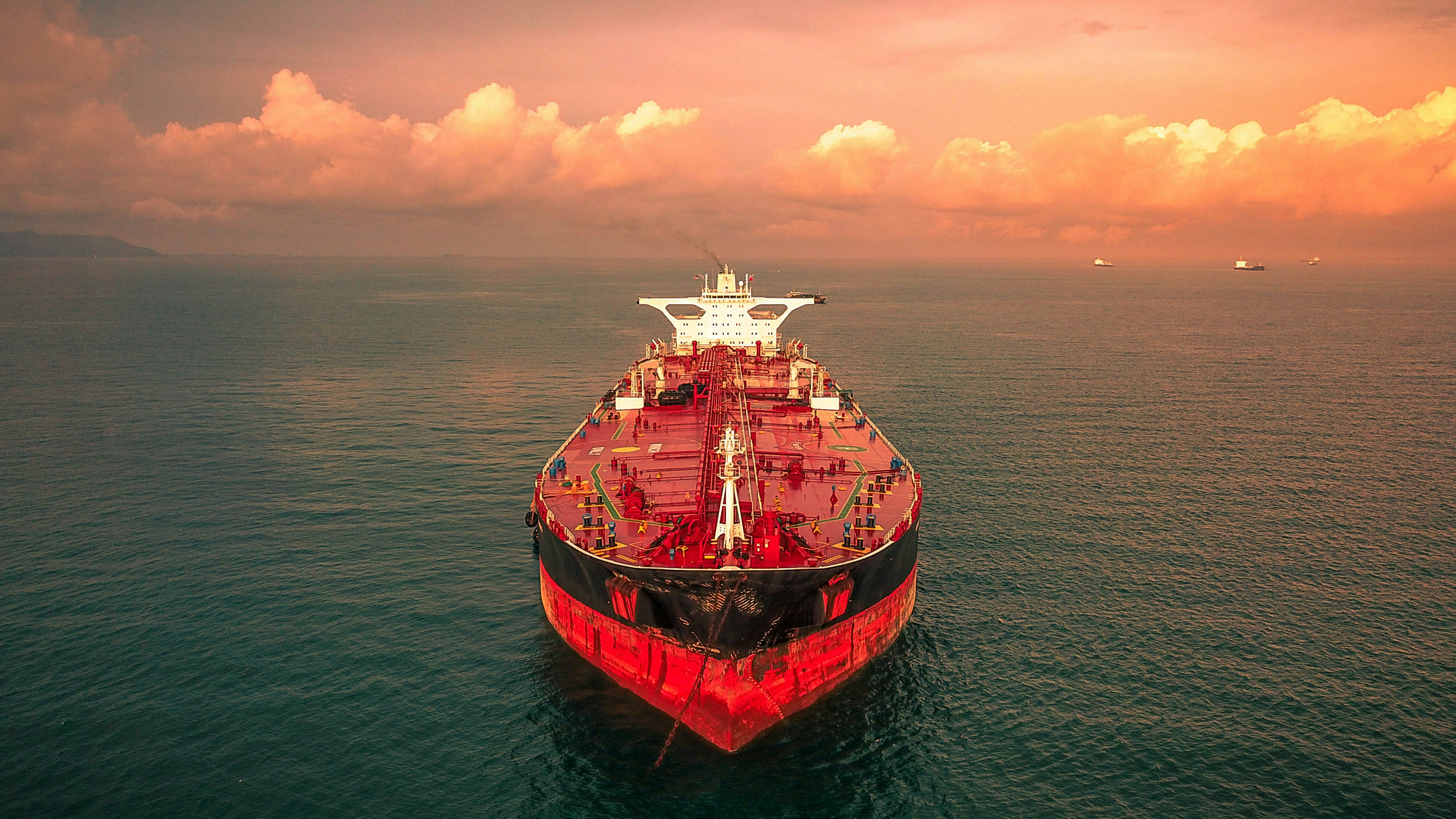
Ports supporting regional energy flows are under pressure, increasing the likelihood of delay, diversion and broader supply-chain interruption. In this environment, tankers remain particularly exposed, both from direct operational disruption and from the increased likelihood of detention, delay or collateral damage.
From a Political Violence & Terrorism (PVT) perspective, the market is likely to be tested as much by retention and aggregation mechanics as by the severity of any single large loss. With incidents spread across multiple territories and asset classes, carriers may face multiple retained events rather than one cleanly aggregated occurrence, depending on treaty structure, territorial limits and radius wording.
From a wider Political Risk market standpoint, there has been an almost immediate increase in demand for cover against Forced Abandonment and Forced Divestiture in the region, where geopolitical events, including but not limited to Political Violence, Terrorism and War, force or cause a company to abandon or divest of its assets or investments. This follows on from a pronounced rise in demand for Political Risks cover, such as Expropriation, Selective Discrimination, Deprivation, as well as contractual breaches by sovereign counterparties, over the last 12 months, as companies who invest, operate or trade overseas seek to proactively manage the political risks to which they are exposed. Whilst the Political Risk market is braced for a series of claims in the near future, it is well established and well capitalised, and hence well positioned to meet the needs of clients through this current series of events and towards an inherently less predictable future.
Higher post-2023 attachment points are also likely to leave a greater share of early-stage losses net to insurers. A further pressure point will be coverage interpretation at primary level: some insureds may seek to frame losses under terrorism or sabotage wordings, while markets may view the underlying circumstances as war-driven, creating potential friction between primary cover and reinsurance response. Given the scale of insured values in the region, business interruption may ultimately prove as significant as direct damage for overall loss development.
Alongside the commercial market response, there is now an emerging public-sector support angle. In a 3 March 2026 statement, the U.S. International Development Finance Corporation indicated it is prepared to deploy political risk insurance and guaranty products to support private-sector operations in the Gulf, with particular focus on maritime trade and energy. It also signalled that support may extend to shipping charterers, shipowners and key maritime insurance providers. From a market standpoint, this is a notable signal that public-sector capacity may be available to reduce disruption and support continuity of trade if conditions deteriorate further.





For marine and energy clients, the immediate implications are:
The situation should now be regarded as an active and fast-moving war-risk event, not a routine regional security deterioration. The principal watchpoints are:
Our experts publish insightful thought leadership, market updates, and industry news publications to keep you informed and ahead of the curve. Subscribe to receive the latest updates straight to your inbox.